

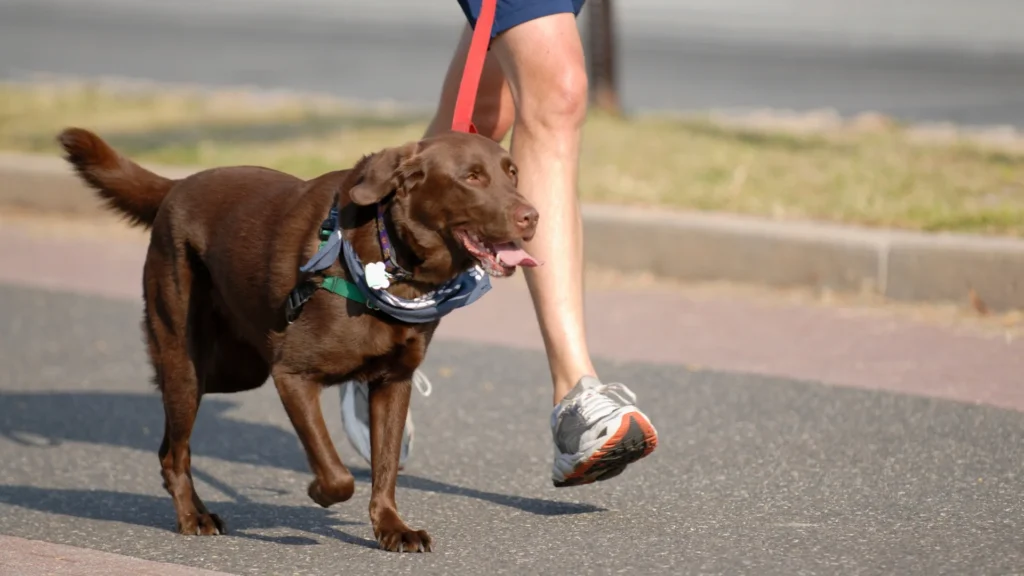
If you have ever stepped onto the asphalt in a Lakeland parking lot in July without shoes on, you know that the Florida sun is nothing to mess with in the summer. The ground here gets brutally hot, and our pets are out there walking on it barefoot every single day.
At Paw Haven, we know that hot pavement burns are one of those injuries that can catch pet owners completely off guard. By the time your dog is showing signs of pain, the damage is often already done.
The Ground Gets Hotter Than You Think
On a 77-degree day, asphalt can reach 125 degrees. At 87 degrees outside, that same pavement can hit 143 degrees. And on a typical Florida summer afternoon when temperatures are pushing into the mid to upper 90s, you are looking at surfaces between 150 and 160 degrees.
To put this into perspective: At 125 degrees, skin damage can occur in under a minute. At 140 degrees, burns can happen in less than five seconds. A short walk to the car and back with your pup is enough to cause real harm to their paws.
Who Is Most at Risk?
All dogs and cats are vulnerable, but a few groups are especially at risk. The paw pads of puppies and kittens are still developing and are more sensitive. Senior pets and those with arthritis or mobility issues move more slowly, which means longer contact with the hot ground. Also, pets with thin or light-colored paw pads tend to burn more easily.
Are Your Pet’s Paws Burned?
Check for limping or reluctance to walk, excessive licking or chewing at the paws, redness, swelling, or blistering, whining when their feet are touched, and darkening of the paw pad color, which can indicate a more serious burn.
If you notice any of these, rinse the paws with cool water and call us immediately! Do not wait to see if it gets better on its own.
A Few Simple Ways to Protect Your Pets in Summer
- The 7-second rule. Press the back of your hand to the pavement before you take your pet outside. If you cannot hold your hand there for seven seconds, it is too hot for your pet’s paws. This is the quickest, easiest gut check before any walk.
- Shift your walk times. Early morning and late evening are your best windows. Surfaces cool down significantly once the sun is no longer beating directly on them, so timing really can make a difference.
- Stick to grass and shade. Grassy paths and shaded sidewalks stay significantly cooler than open asphalt or concrete. It is worth going a little out of your way for a safer route.
- Keep outdoor time short during peak heat. Midday and early afternoon are the riskiest windows. Bring water, take breaks in the shade, and when in doubt, head back inside.
At Paw Haven, we want every adventure with your pet to end with a wagging tail, not a vet visit. Hot pavement burns are painful and stressful for pets and owners alike, but with a few simple adjustments to your routine, they are easy to avoid. If you ever have questions about summer safety or just want to make sure your pet is in good shape heading into the warmer months, we are always here for you! Give us a call at (863) 334-0158 or book online at pawhavenvet.com.