

- COMPASSIONATE PET CARE
Dog Dental Care
Healthy Teeth. Happier Dog.
Good oral health is essential to your dog’s overall health and well-being. At Paw Haven Animal Hospital, our dog dental care services help prevent pain, infection, and dental disease while supporting a healthier, happier life for your dog.





What Does Dog Dental Care Include?
Routine dental care helps protect your dog’s teeth, gums, and overall health. A complete dental care plan may include oral exams, professional cleanings, dental X-rays, early diagnosis, and personalized at-home recommendations.
- Regular dental exams
- Professional cleanings
- Dental X-rays & diagnosis
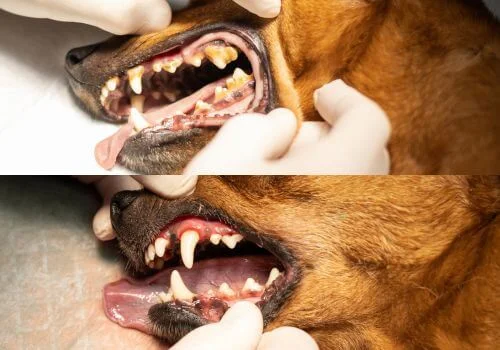
Why Dog Dental Care Matters
Poor dental health can lead to pain, infection, bad breath, difficulty eating, and complications that may affect the heart, liver, and kidneys.
Pain Relief
Reduces oral discomfort and dental pain.
Fights Infection
Helps stop bacteria from spreading.
Supports Overall Health
Promotes a healthier body from the inside out.
Better Quality of Life
Helps your dog eat, play, and thrive.
At-Home Dental Care
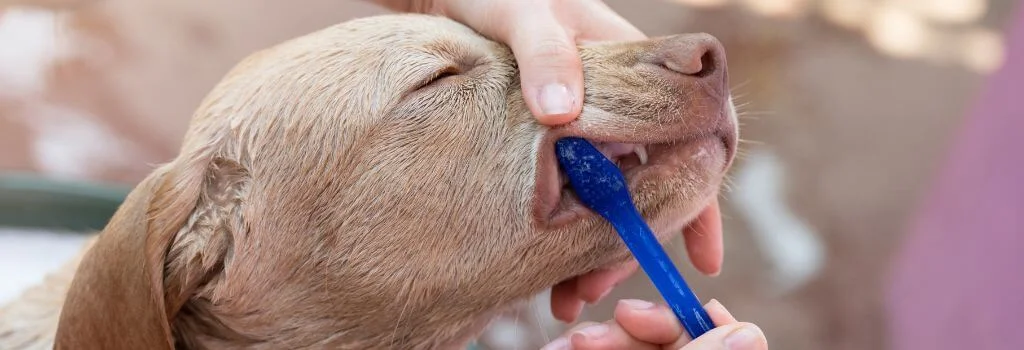
- Brush your dog’s teeth regularly using pet-safe toothpaste
- Use dental chews, rinses, or VOHC-approved dental products when recommended
- Watch for plaque, tartar, or gum irritation
- Keep up with regular veterinary checkups
Signs Your Dog May Need Dental Care
- Bad breath
- Bleeding or inflamed gums
- Discolored teeth
- Loose or missing teeth
- Drooling
- Difficulty eating
- Pawing at the mouth
- Swelling around the mouth
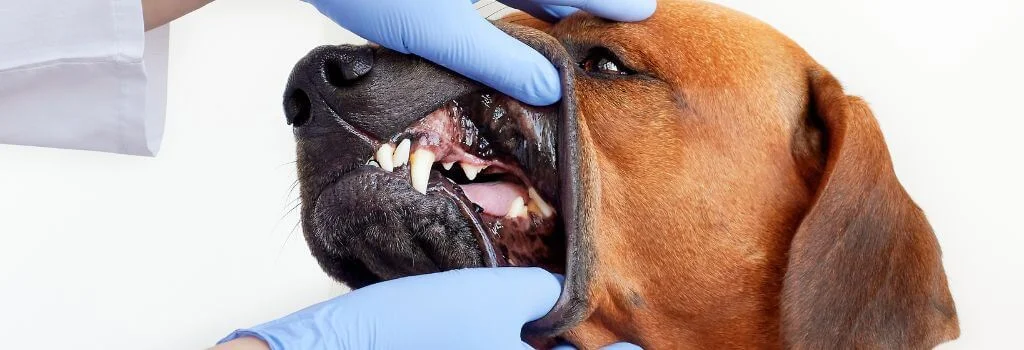
Professional Dental Cleaning
A professional dental cleaning allows the veterinary team to fully examine your dog’s mouth, remove plaque and tartar above and below the gum line, polish the teeth, and identify hidden concerns. Cleanings are performed safely under general anesthesia for a thorough and comfortable experience.
Most dogs should have their teeth professionally examined at least once a year, while senior pets and smaller breeds may need more frequent dental checkups.
Frequently asked
What are early signs of dental disease in dogs?
Common signs include bad breath, red or bleeding gums, yellow or brown tartar, drooling, loose teeth, pawing at the mouth, chewing on one side, or dropping food while eating. Book a dental visit if you notice any of these changes.
Why are professional dog dental cleanings done under anesthesia?
Anesthesia allows the veterinary team to clean above and below the gum line, take dental X-rays when needed, polish the teeth, and check for hidden dental issues safely and thoroughly. It also helps reduce stress and discomfort for your dog.
Can poor dental health affect my dog’s body?
Yes. Poor dental health can lead to pain, infection, trouble eating, and bacteria that may affect the heart, liver, or kidneys. Regular dog dental care helps protect both oral health and overall wellness.
What can I do between professional dental cleanings?
Brush your dog’s teeth with pet-safe toothpaste, use vet-recommended dental chews or rinses, watch for plaque or gum irritation, and keep up with regular veterinary checkups. Vet-approved dental products can help support your dog’s dental care at home.