
- COMPASSIONATE PET CARE
Cat Behavior
Helping Your Cat Feel Their Best
Cat behavior issues can be stressful for your cat and for you. Paw Haven Animal Hospital helps identify the cause of unwanted behaviors and create a care plan that supports a happier, healthier life together.





Common Cat Behavior Concerns
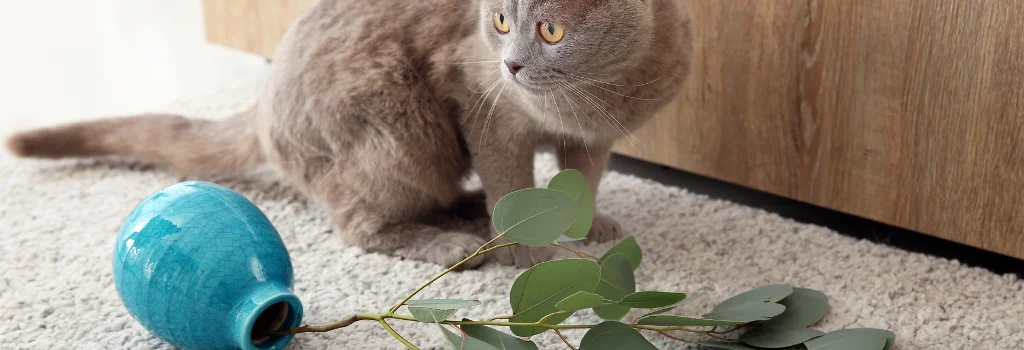
We can help address a wide range of behavior challenges, including:
Litter Box Issues
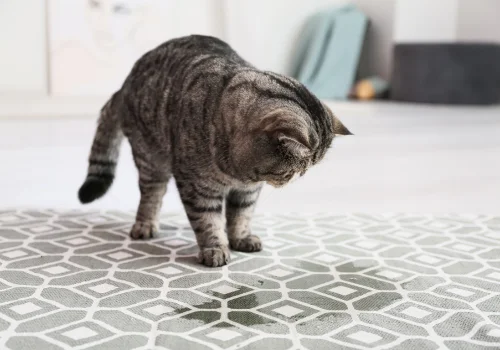
Avoiding the litter box, urinating outside the box, or inappropriate elimination.
Scratching
Scratching furniture, walls, or other household items.
Aggression
Hissing, swatting, biting, or fighting with people or other pets.
Anxiety & Stress
Excessive hiding, overgrooming, or signs of fear or stress.
Excessive Vocalization
Meowing or yowling more than usual.
Other Behavior Changes
Any sudden or ongoing changes in your cat’s behavior or habits.
Our Approach
We take time to understand your cat, their environment, and your goals. Our veterinarians use a compassionate, science-based approach to help uncover the cause of behavior changes and recommend the right next steps.
- Identify underlying medical or behavioral causes
- Develop a customized behavior plan
- Recommend environmental changes
- Provide guidance and ongoing support
Behavior & Health Go Hand in Hand
Many behavior problems can be linked to medical conditions. That’s why we start with a thorough exam and may recommend diagnostics before creating a behavior plan.
Frequently asked
When should I bring my cat to the vet for behavior changes?
Schedule a visit if your cat’s behavior changes for more than a day or two, especially with appetite, drinking, urination, litter box habits, aggression, hiding, or vocalization. Cat behavior changes can be linked to stress, pain, or an underlying medical issue.
Can cat behavior problems be caused by health issues?
Yes. Litter box problems, aggression, hiding, appetite changes, and restlessness can sometimes be connected to medical conditions. Paw Haven starts with an exam and may recommend diagnostics before creating a behavior plan.
How does a veterinarian diagnose cat behavior problems?
A veterinarian may begin with a physical exam, medical history, and blood work. They may also ask about changes at home, such as a new pet, a moved litter box, new litter, diet changes, or recent stressors.
What can help improve cat behavior at home?
Your vet may recommend simple changes like adding more litter boxes, improving enrichment, reducing stress at home, adjusting routines, or using medication when needed. The best plan depends on your cat’s health, environment, and specific behavior concern.
Why is early treatment important for cat behavior issues?
Cats often hide signs of illness, so behavior changes may be one of the first warning signs. Early diagnosis can help prevent the issue from getting worse and may make behavior problems easier to manage.