

- COMPASSIONATE PET CARE
Pet Dentistry
Healthy Mouth. Healthier Life.
Exceptional pet dentistry helps protect oral health, comfort, and overall wellness for dogs and cats. Professional cleanings and diagnostics help us catch problems early — before they become painful or affect your pet’s quality of life.





Professional Pet Dental Care in Winter Haven & Lakeland
Our veterinary dental team provides gentle, thorough care using modern equipment and proven techniques. We work hard to keep your pet’s mouth healthy, reduce discomfort, and support long-term wellness through professional cleanings, exams, and home-care guidance.
- Comprehensive oral examinations
- Professional cleanings under anesthesia
- Early detection of hidden dental disease
- Customized home-care guidance
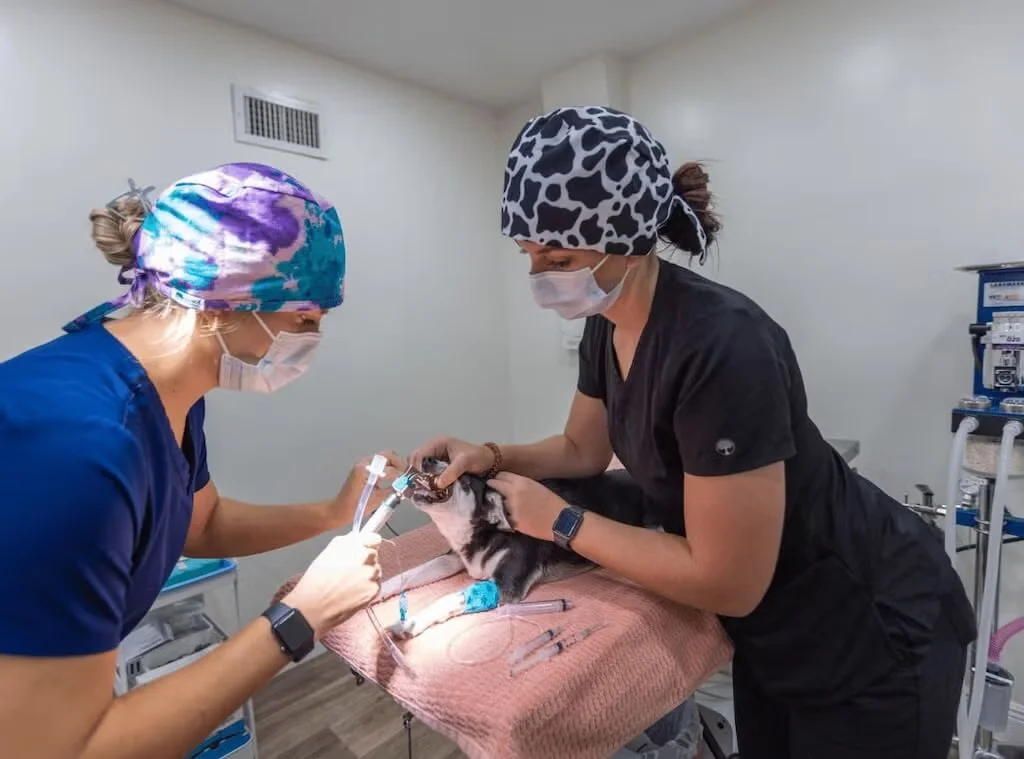
Why Pet Dentistry Matters
Good oral health is about more than clean teeth. It impacts your pet’s comfort, ability to eat, and long-term health.
Pain Prevention
Dental disease can be painful. Regular care helps prevent discomfort and infections.
Fresher Breath
Helps reduce odor-causing bacteria for fresher breath and better oral hygiene.
Better Eating Comfort
Healthy teeth and gums make eating easier and more comfortable.
Protects Overall Health
Oral bacteria can affect the heart, kidneys, liver, and other vital organs.
Better Quality of Life
Healthy mouths support happiness, energy, and a longer, healthier life.
Home Care + Professional
Care Work Together
Brushing your pet’s teeth at home is one of the best ways to support oral health, but home care alone may not be enough. Many pets need professional cleanings and periodic dental exams to remove buildup, check below the gum line, and prevent painful dental disease.
Together, we’ll create a plan that keeps your pet comfortable, healthy, and smiling for years to come.
Signs Your Pet May Need Dental Care
- Red or swollen gums
- Bleeding gums
- Bad breath
- Loose or missing teeth
- Excessive drooling
- Difficulty eating or chewing
- Weight loss
- Mouth sensitivity
- Behavior changes or irritability
What Pet Dental Care May Include
- Oral Examination
- Professional Cleaning
- Tartar Removal
- Dental X-Rays
- Treatment Recommendations
- Home Hygiene Planning
Frequently asked
How often should my pet have a dental cleaning?
The right schedule depends on your pet’s age, oral health, breed, and home-care routine. Your veterinarian can recommend a cleaning schedule after an exam.
Is bad breath normal in pets?
No. Bad breath can be a sign of dental disease or bacteria buildup and should be checked by your veterinarian.
What signs mean my pet should see the vet for dental care?
Red gums, bleeding, drooling, loose teeth, bad breath, difficulty eating, mouth sensitivity, or behavior changes can all be signs of dental problems.
Can brushing at home replace professional dental cleanings?
Brushing helps, but it does not replace professional care. Some dental problems happen below the gum line and require a veterinary exam.
Are dental problems linked to other health issues?
Yes. Poor oral health can affect more than the mouth and may contribute to problems involving major organs.