
Florida summers are no joke. For pet owners, that means heatstroke is not a fringe concern, but a real risk for their pets every year. The good news is that it is almost entirely preventable once you know what to watch for and what to avoid.
At Paw Haven, we know that a little awareness goes a long way, so here is what every Florida pet owner should know about the signs of heatstroke and how to protect their pets during the hottest days of summer.
The Basics of Daily Prevention
- 1. Never leave your pet in a parked car. This one cannot be overstated. Even with the windows cracked, temperatures inside a vehicle can reach dangerous levels within minutes. A quick errand is not worth the risk of losing your pet to heatstroke.
- 2. Shift your walk times. Early morning and late evening are best to avoid heatstroke and keep your pet happy and active. Midday into the early afternoon is when pavement and air temperatures peak, and that combination is hard on pets.
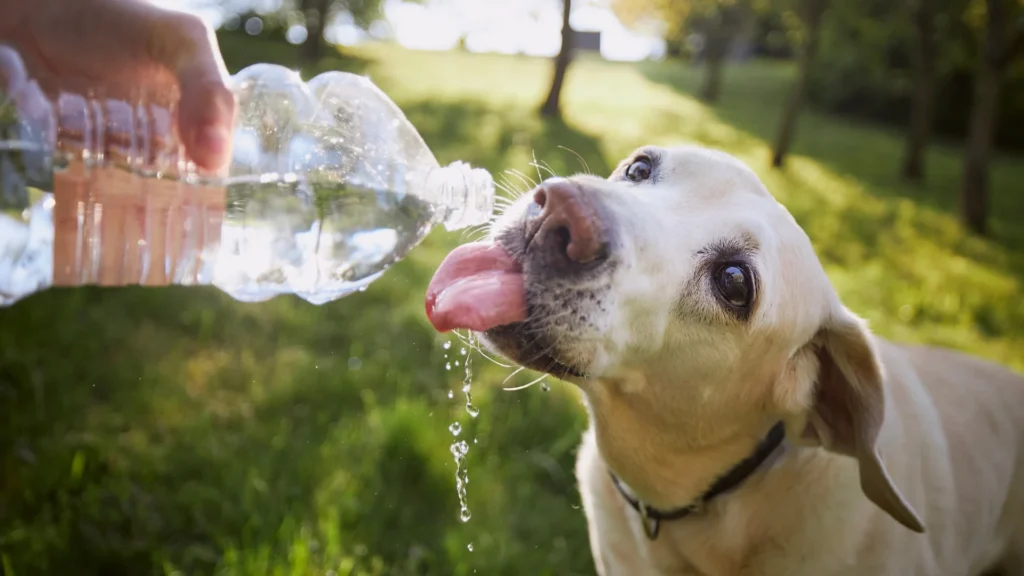
If you are not sure whether it is too hot to head out, press the back of your hand to the pavement for seven seconds. If you cannot hold it there comfortably, your pet should not be walking on it! - 3. Always keep fresh water available. Outdoors, indoors, always have fresh water available. On hot days, toss a few ice cubes in to keep it cooler longer or add some frozen sliced bananas or apples to encourage them to drink water and engage their brain!
- 4. Shade matters, but not all shade is equal. Did you know that a doghouse can trap heat instead of releasing it? Look for heavy shade from trees or structures with good airflow instead.
Signs Your Pet May Be Overheating
The earlier you catch this, the better the outcome and recovery. Watch for heavy or fast panting that seems out of proportion to activity, bright red or pale gums, thick drooling, weakness or wobbling, confusion, or vomiting. Any of these after time in the heat should be taken seriously and you need to get your pet to the vet as soon as possible.
What to Do If You Think Your Pet Is Overheating
- Move them to air conditioning or in front of a fan immediately.
- Wet them down thoroughly with cool water, not ice cold, which can cause blood vessels to constrict and slow the cooling process.
- Do not wrap them in wet towels, which can trap heat against the body.
- Call your vet ahead of time so they can be prepared for your arrival, then go!
Heatstroke causes internal damage quickly, and even a pet that seems to be recovering on their own needs to be evaluated. What looks like improvement on the surface does not always reflect what is happening internally.
Florida summers are long, but with a little extra awareness, they do not have to be dangerous for your pet. If you have questions about summer safety for your specific pet, or if you want to get them in for a wellness check before the heat really peaks, we are here. Call us at (863) 334-0158 or book online at pawhavenvet.com.