
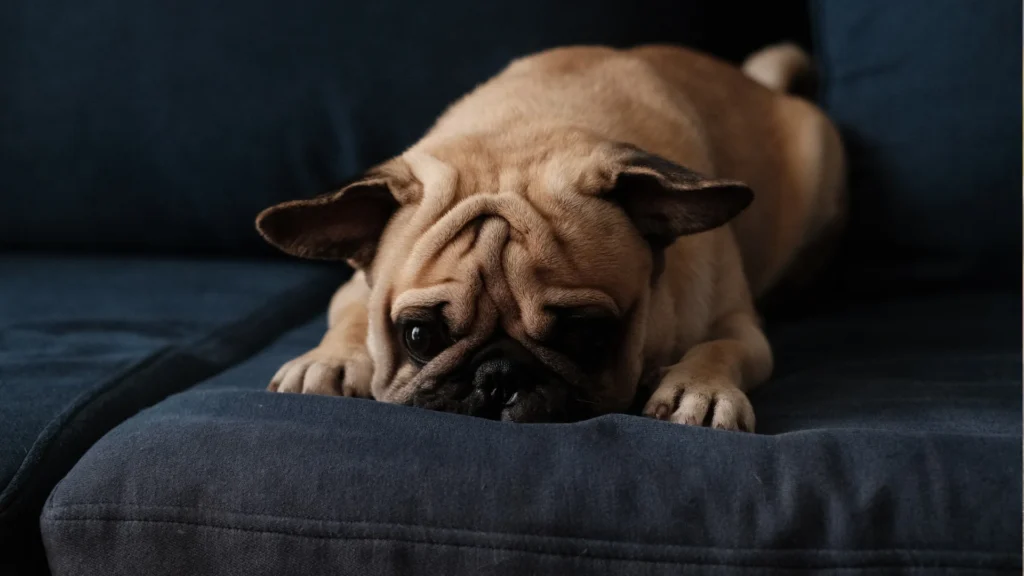
At Paw Haven, some of the questions we hear most often from clients have nothing to do with a specific illness or injury. They are more along the lines of “My dog is a nervous wreck during storms, what can I do?” Anxiety is extremely common in pets, and while every animal is different, there are some simple, low-risk steps you can try at home to help take the edge off.
A quick note before we get into it: This blog is not a substitute for talking to your vet if your pet’s anxiety is significantly affecting their quality of life. Think of this as a starting point, not a treatment plan!
Know Your Baseline
Anxiety in dogs can look like excessive barking, panting, pacing, trembling, destructive behavior, or trying to hide or escape. In cats, it often shows up more quietly: hiding, over-grooming, changes in appetite, or increased vocalization. Knowing what is normal for your pet makes it a lot easier to notice when something is off.
Anti-Anxiety Tips
- Stick to a Routine. Both dogs and cats are creatures of habit. Consistent feeding times, play sessions, and sleep schedules give pets a sense of predictability that can reduce background stress. Even small disruptions to routine can be a trigger for some animals, so try and be as consistent as possible!
- Try Sound Therapy. White noise, soft music, or playlists specifically designed for pets can help drown out the unpredictable sounds that set off anxiety, things like fireworks, thunderstorms, or street noise. There are quite a few free options on streaming platforms worth trying.
- Get Plenty of Pet Exercise! A tired pet is often a calmer pet. Regular physical activity helps burn off excess energy and releases endorphins that naturally reduce stress. Puzzle feeders and interactive toys are great for mental enrichment, especially for cats that spend most of their time indoors.
- Thundershirts Help! These wrap-style garments apply gentle, steady pressure that can have a calming effect during high-stress situations. They work similarly to a weighted blanket and are worth trying if your dog struggles with storms or loud noises. Please note, these are not ideal to wear in summer, especially outdoors. Never leave one on your pet unattended.
- Calming Supplements May Be an Option. There are several over-the-counter supplement options available for both dogs and cats. Always check with your vet before adding anything new, especially if your pet is already on medication, but options like calming chews or powders can be a helpful addition to your toolkit.
Our own Dr. Blackburn has a special interest in fear-free care and reducing anxiety in pets. If you are not sure where to start or your pet’s anxiety seems to be getting worse, we can help you figure out what options make the most sense for your pet.
When to Call Your Vet
Natural and at-home strategies work well for mild anxiety, but they have their limits. If your pet is hurting themselves, unable to eat, or in a constant state of distress, that is an important conversation to have with your veterinarian.
If you have concerns about your pet’s anxiety or just want to talk through your options, we are here for you! Give us a call at (863) 334-0158 or book online at pawhavenvet.com.