
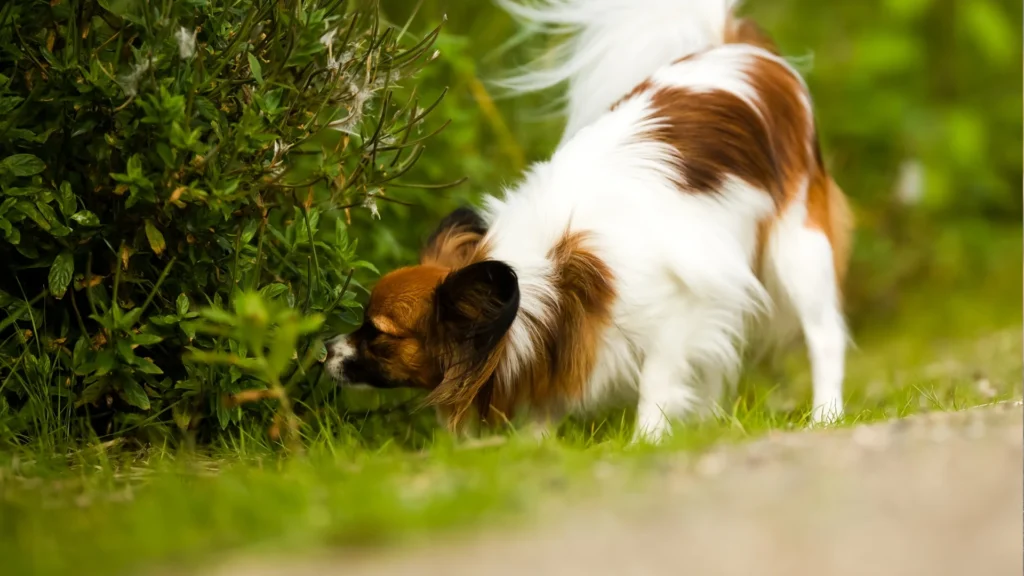
A backyard can be one of the safest places for your pet to explore. It is fenced in, familiar, and has no traffic!
At Paw Haven, we are big believers in letting pets be pets, and for a lot of dogs and cats that means time outside in the yard. But Florida yards come with a specific set of hazards that we see come through our doors every year, especially with pet owners who are newer to the state. A little awareness goes a long way. Here is what to watch out for:
Bufo Toads (Cane Toads)
If there is one Florida yard hazard every pet owner needs to know about, it is the Bufo toad, also called Cane Toads. These are an invasive species and they are extremely common throughout Central Florida, including right here in the Lakeland and Winter Haven area.
Bufo toads secrete a milky white toxin from glands behind their eyes. If your dog mouths or bites one, that toxin is absorbed through the gums almost immediately. Within minutes, you may see excessive drooling or foaming at the mouth, bright red gums, head shaking or pawing at the mouth, and in serious cases, stumbling or seizures. This is a genuine emergency.
What To Do if Your Pet Bites a Bufo Toad
Step 1: If you suspect your pet has bitten a Bufo toad, rinse their mouth out immediately with a garden hose or other source of running water for a full 10 minutes, aiming from the side of the mouth downward, not toward the throat.
Step 2: Wipe the gums with a cloth to remove any remaining toxin.
Step 3: Call your vet and drive to your vet’s practice. Even exposures that seem mild need to be evaluated because the toxin affects the heart.
Bufo toads are most active at dawn, dusk, and after rain. Do not let dogs into the yard unsupervised during those windows, especially in the summer months.
Sago Palms
Sago palms are one of the most common landscaping plants in Florida and one of the most dangerous for pets. Every single part of the plant is toxic, but the seeds are especially dangerous. The toxin attacks the liver, and even with aggressive veterinary treatment, the outcome is often very serious and sometimes fatal.
If you see your dog chewing on any part of a sago palm, do not wait for symptoms to appear. Call your vet immediately. Early intervention is everything with sago palm exposure.
Keep in mind that sago palm seeds fall seasonally, so if neighbors have sago palms, it is worth keeping an eye on your yard for any that may have blown over.
A Few More Plants Worth Knowing About
Beyond sago palms, a few other common Florida landscaping plants are worth being aware of. Oleander is toxic and affects the heart. Azaleas can cause vomiting and weakness. Dieffenbachia, philodendron, and pothos are common both indoors and outdoors and cause oral swelling if chewed.
If you are not sure about something growing in your yard, the ASPCA has a searchable plant toxicity database that is a great resource.
Fire Ants
Fire ant mounds can appear in a matter of days, and when a pet steps on one, hundreds of ants swarm and sting at the same time. Watch for sudden yelping, visible ants on the pet especially between the toes and on the belly, and red welts or swelling. In rare cases, a severe reaction can cause full-body swelling and difficulty breathing, which needs immediate veterinary attention.
Snakes
Florida has several venomous snake species. In our area, the ones most commonly encountered are the eastern coral snake, cottonmouth (also known as a water moccasin), and pygmy rattlesnake. They tend to show up after heavy rain, near water features, and in tall grass or brush piles.
Signs of a bite include sudden yelping, swelling, two puncture marks, and in more serious cases, weakness or collapse. Keep the pet as calm and still as possible, remove their collar to keep airways clear, and get to a vet right away. Do not attempt to treat the bite at home. If possible, try to get a photo of the snake if you see a bite happen so your vet knows the species.
Standing Water
Standing water is a mosquito nursery, and mosquitoes carry heartworm. Florida has no real off-season when it comes to heartworm risk, which means year-round prevention is not optional here. Empty anything holding water every few days, including plant saucers, kiddie pools, birdbaths, and outdoor toys.
If you ever suspect your pet has been exposed to something in the yard, do not wait to see how it plays out. Call us first! We would much rather talk you through something over the phone than see a pet come in hours later when options are more limited. Reach us at (863) 334-0158 or book online at pawhavenvet.com. We are here when you need us!