


National World Rabies Day occurs every year on September 28th and is a vital tool in helping educate the public about the dangers of this deadly disease. The more you’re able to learn about it, the better you’re able to protect yourself, your family, and your pets from even being exposed. This blog explains what exactly rabies is, the symptoms that occur, the available treatment for Rabies, and prevention against Rabies.
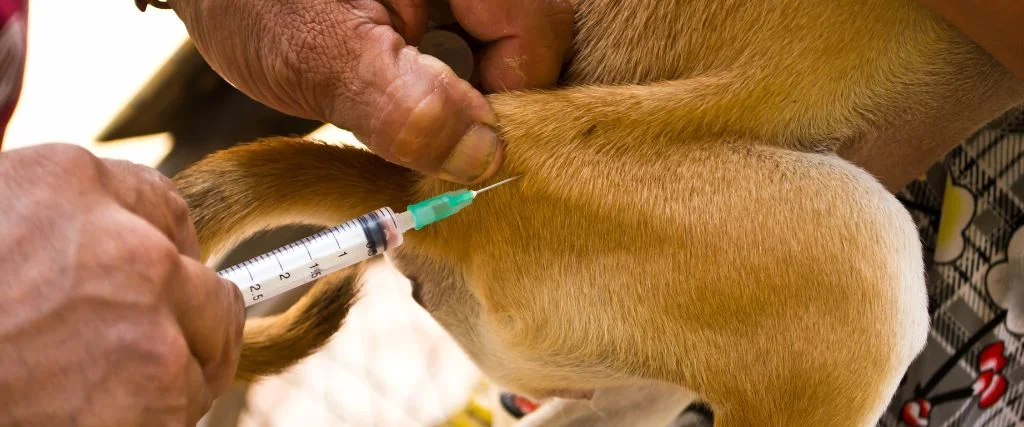
There are two forms of Rabies Disease
Furious and Paralytic. Furious is the type more commonly associated with Rabies Disease. This is characterized by psychosis, hallucinations, irrational actions, fear of light and water, and hyperactivity. The other type, paralytic rabies, is almost the exact opposite. This is characterized by lethargy, neurologic slowness, paralysis, and even comas.
Different Stages of Rabies
- Incubation Period: This is right after the virus is in the body and before symptoms begin. It can take anywhere from one week to one year for symptoms to occur, depending on how fast the virus moves from the body to the brain. This stage is where treatment is possible if administered early.
- Prodromal phase: This is where more mild symptoms occur. Symptoms include fever, sore throat, cough, nausea, headache, sore joints, and general flu-like symptoms.
- Acute Neurologic Period: This is where the virus has gotten to the brain and causes more aggressive symptoms such as convulsions, muscle spasms, confusion, aggression, foaming at the mouth, and the other obvious symptoms associated with Rabies.
At the end of the progression, Rabies leads to coma and death.
Treatment for Rabies... Kind Of
Rabies Prevention
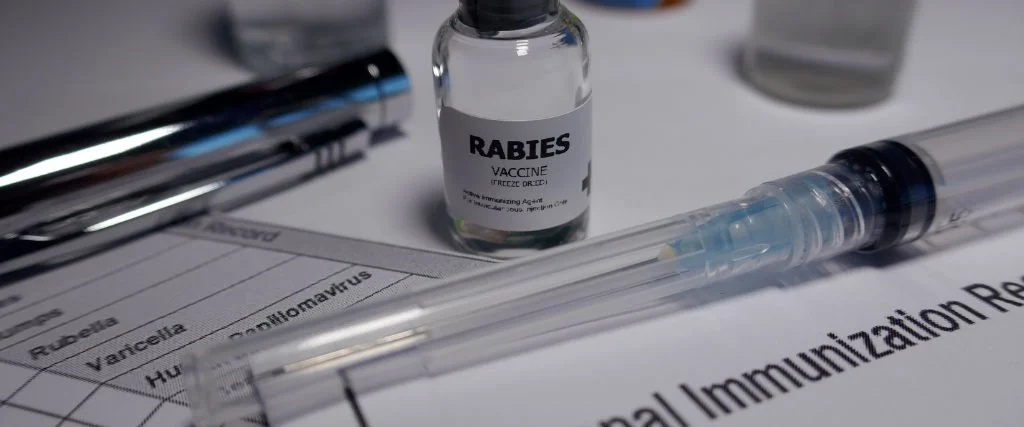
The most effective way to prevent the spread of Rabies is to keep your pet current on the Rabies vaccination and have regular visits with the Veterinarian. Some other things that are important to do would be keeping your pets indoors and keeping a close eye on them when they are outside. A cat is much less likely to be bitten by a rabies-infected animal if they’re safely in your home cuddled up on their cat bed. Spaying and neutering all pets is also important because if your un-neutered pet gets outside and is able to breed with another unneutered stray, that pet will have babies and those babies will be unvaccinated, which means there’s more of a chance for Rabies to be spread to them and expose your neighborhood.
The More You Know
This blog was first seen on Family Pet Veterinary Center.