
What Are Grass Allergies in Dogs?
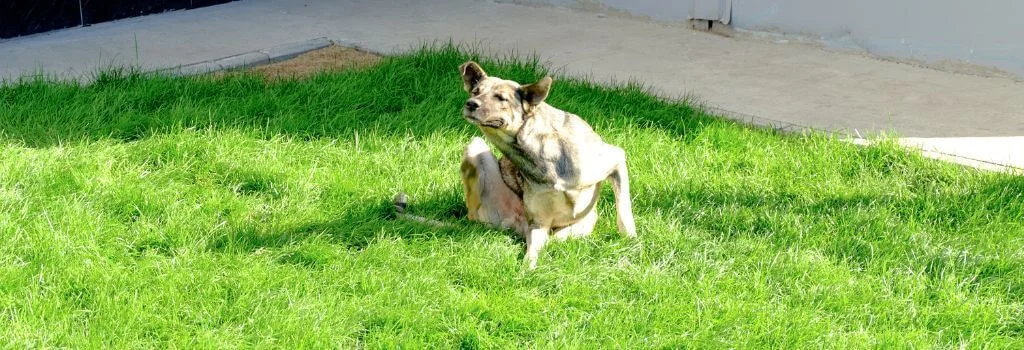
Unfortunately, unlike people, dogs don’t typically outgrow their allergies. They actually tend to get worse over time. And because grass pollen is airborne, your dog doesn’t even have to touch the grass to be affected — just breathing the air or walking through a pollen-rich area can set off a reaction. That’s why it is important to work with your veterinarian if your dog is struggling with any allergy so you can work together to come up with a treatment plan to keep your dog comfortable.
Types of Grasses That Can Affect Dogs
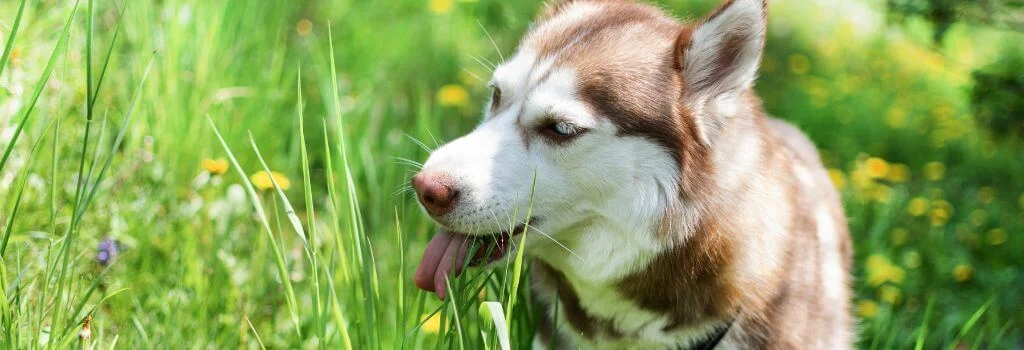
Many dogs, like many people, are sensitive to pollen from common grasses, weeds, and other plants. Bermuda grass is one of the biggest culprits. It produces an abundance of wind-borne pollen that can trigger severe allergic reactions in sensitive dogs. Even when Bermuda grass is kept short, it can still release pollen. The pollen comes from the flower tops (inflorescence) that form as the grass matures, but keep in mind that the pollen itself is microscopic and it floats through the air invisibly, so your dog doesn’t need to roll in the grass to be exposed. If you’re planting or re-seeding your yard, you might consider asking about hybrid or allergy-friendly grass species.
- Ryegrass
- Fescue (various species)
- Timothy grass
- Bluegrass (Kentucky bluegrass)
- Orchard grass
- Johnson grass
- Bromegrass
- Sweet vernal grass
- Meadow grass
Symptoms of Grass Allergies in Dogs
- Itchy skin (pruritus)
- Redness, rash, or inflammation
- Hair loss
- Skin lesions: scabs, sores, pustules, crusts
- Frequent ear or skin infections
- Excessive licking/chewing of paws
- Occasional digestive (diarrhea, vomiting) or respiratory signs (sneezing, watery eyes)
How are Grass Allergies Diagnosed
Your veterinarian might recommend a 12-week hypoallergenic diet trial to see if food is the culprit. If environmental allergies like grass pollen are suspected, skin or blood testing can help identify specific triggers. This type of testing is usually done if you’re considering allergy shots (immunotherapy) as part of your dog’s treatment plan.
Dog Grass Allergy Treatment Options
- Topical treatments: Medicated shampoos, creams, sprays, ointments, and wipes prescribed by your vet can help soothe inflamed skin and treat mild or localized infections caused by yeast or bacteria. These are often a key part of managing skin reactions linked to allergies.
- Medications: Depending on your dog’s symptoms, your vet may prescribe medications to control itching and inflammation. If there’s a secondary skin infection (which is common with allergies), antibiotics or antifungal medications may be needed.
- Allergy shots (immunotherapy): After testing identifies your dog’s specific triggers, a custom serum is created to help build tolerance to those allergens over time. This treatment (delivered as injections or under-the-tongue drops) can significantly reduce allergy symptoms and the need for other medications, though it requires consistency and patience.
- Diet management: If food allergies are also suspected, your vet may recommend a prescription diet (like a hydrolyzed or novel protein formula). Even if food isn’t the issue, feeding a high-quality, balanced diet supports your dog’s overall skin and immune health.
- Over-the-counter (OTC) options: Some owners try OTC products like oatmeal shampoos or antihistamines. While these may provide mild relief, they usually aren’t enough for more severe allergy symptoms. Be cautious! Some home remedies, like coconut oil or essential oils, can actually harm your dog. It’s always best to follow your vet’s guidance for safe, proven treatments.
How to Prevent and Manage Your Dog’s Grass Allergies
- Time your outdoor adventures. Try to stay inside with windows closed on windy days, when pollen levels are higher and more likely to spread.
- Wipe those paws! After playtime, especially on grass, give your dog’s paws and legs a quick wipe before they come inside. This helps remove pollen and keeps their bedding and your home cleaner.
- Choose grass wisely. If you’re planting or re-seeding your yard, consider grass types like ryegrass or fescue – they’re less likely to release pollen until they’re taller (around 12 inches).
- Keep the lawn trimmed. A well-maintained yard helps minimize pollen production. Avoid letting your dog play on freshly cut grass, when pollen can be stirred up.
- Regular baths. Bathing your dog every 1–2 weeks can help wash away pollen and other irritants. Talk to your vet about the best shampoo for your dog’s skin.
- Use an air purifier. This can help lower pollen levels indoors and provide some extra relief.
- Stay on top of parasite prevention. Flea bites can worsen skin irritation in allergic dogs, so keeping up with preventives is important.
When to See Your Veterinarian for Your Dog’s Allergies
- Hives or facial swelling (eyes, muzzle, lips)
- Redness or intense itching
- Vomiting, diarrhea, or excessive drooling
- Difficulty breathing, coughing, wheezing, or pale/blue gums
- Weakness, collapse, or cold limbs
- Seizures or loss of consciousness