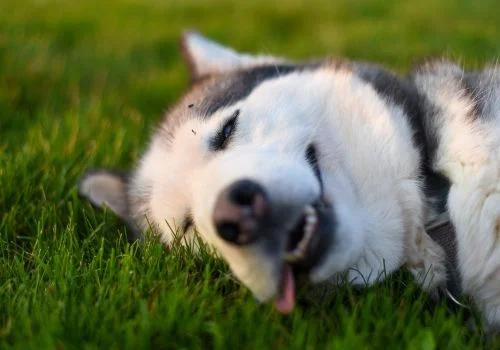

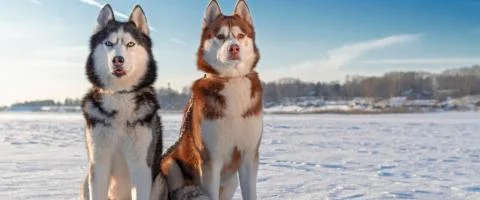
The Siberian Husky is an enigmatic and captivating breed that perfectly blends joyful playfulness with an independent spirit. If you’re the adventurous type, this may be the ideal canine companion for your life journey.
A Personality That Shines
Eager to Please but Independent
No Boundaries, Only Adventures

Quirks and Challenges
A Rich Historical Backdrop
Health and Longevity
Unique Vocalizations
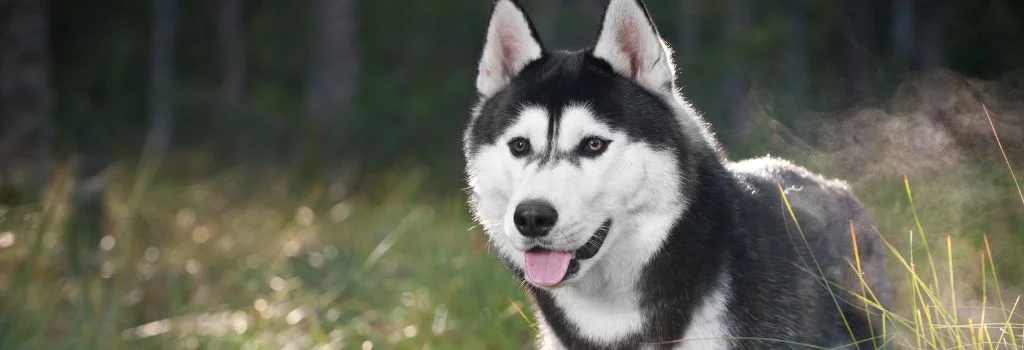
Genetic Predispositions for Siberian Huskies
The Windows to Your Husky's Soul: Eye Issues to Watch Out For
- Cataracts: Especially in older Huskies, cataracts can make the eyes look cloudy and obstruct vision. The silver lining? Many dogs adapt well to diminished eyesight, and surgery could also be an option to restore those baby blues—or browns.
- Glaucoma: This condition can be excruciating and progresses quickly. Signs like squinting, watery eyes, and a bluish tint to the cornea need immediate attention. If you see these symptoms, consider it an emergency and reach out to us or an emergency clinic without delay.
- Corneal dystrophy: This causes tiny white crystal deposits on the eye's clear outer layer. Although this issue is generally painless, it can obscure vision, and in extreme cases, surgery might be considered.
No Joking Matter: Bleeding Disorders in Huskies
Bleeding disorders in dogs come in varying degrees of severity. Some may not become apparent until your Husky suffers a significant injury or undergoes surgery. One such disorder, Von Willebrand’s Disease, is often found in Siberian Huskies. Before any surgical procedure, we run tests to rule out this and other similar conditions. Better safe than sorry!
Seizures and Your Siberian Husky: What You Need to Know
Epilepsy is particularly unsettling because it’s not only about the seizures; it’s about the toll they take on you and your pet. Huskies are among the breeds commonly affected by idiopathic epilepsy, which means the seizures have no identifiable cause. Usually appearing between six months and three years of age, seizures require prompt diagnostic work to determine their cause and appropriate treatment. Lifelong medication is typically needed, so be prepared for regular blood tests to monitor how well the treatment is working.
When Breathing Becomes a Chore: Laryngeal Paralysis
Imagine finding it hard to breathe, especially when you’re excited or it’s hot. Older Huskies sometimes experience larangeal paralysis, where their vocal cords slacken and obstruct the airway. Watch for signs like noisy breathing, particularly during exercise or hot weather, and bring your pet in for a check-up if you notice these symptoms.
High Blood Pressure: Not Just a Human Problem
Did you know your Husky could also suffer from high blood pressure? Yep, it’s not just a human issue! Left untreated, hypertension could lead to severe conditions like blindness or even strokes. That’s why we regularly check his blood pressure, and if necessary, medication can help manage it.
Listening to the Heartbeat of Your Husky: Heart Disease Concerns
Heart issues are something no pet parent wants to think about, but awareness is the first step in prevention, especially for breeds like Siberian Huskies that may be predisposed. These issues can range from structural defects to heart murmur concerns, so we take special care during each vet visit to tune into your fur baby’s heartbeat. If we detect a murmur or if you’ve noticed symptoms like lethargy, coughing, a swollen belly, or even fainting, more specific tests will be lined up. Let’s catch it early!
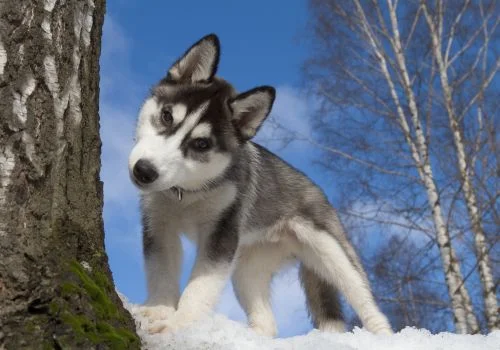
Your Husky's Golden Years: Addressing the Risk of Cancer
As dogs age, their risk for certain diseases like cancer naturally increases. Since Huskies often have longer lifespans than some other breeds, cancer becomes a concern in their golden years. The bright side? Many types of cancers can be treated if caught early, either through surgery or chemotherapy. So, when we say we’re going to give your pooch a thorough exam, we mean it—we’re looking for any early signs of lumps and bumps.
The Hippest Dog in Town: Understanding Hip Dysplasia
The Gut-Wrenching Reality: Inflammatory Bowel Disease (IBD)
Struggling Steps: Degenerative Myelopathy
Skin Deep: Autoimmune Skin Disease and Other Skin Issues
Pemphigus Foliaceus is an autoimmune skin disease more commonly seen in Siberian Huskies. It starts showing up around the age of four and manifests as crusts and hair loss, often around the nose and ears. Sunlight exacerbates it, so sunscreen is a must! Similarly, Huskies are prone to zinc-responsive dermatosis, which can lead to skin problems around the mouth, eyes, and ears. Proper zinc supplementation can usually manage the symptoms.
The Color Changing Husky: Uveodermatological Syndrome
A Tiny Gland, Big Impact: Thyroid Problems