

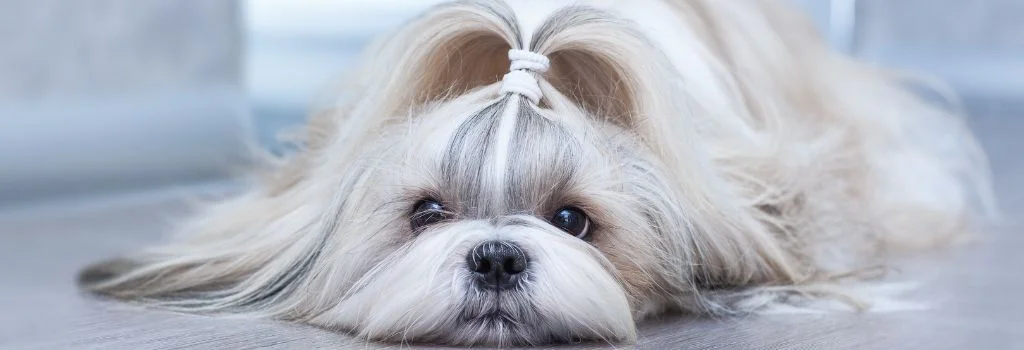
If you’ve chosen a Shih Tzu as your furry friend, you’ve picked a breed with an irresistibly charming personality and a deep desire for companionship. Small in size but grand in demeanor, the Shih Tzu is truly a unique breed. Here’s what makes this adorable lap dog such an exceptional companion.
Your Loving Companion
Low Maintenance Exercise Needs
Small but Spirited
Challenges to Be Aware Of
Craves Human Interaction
Shih Tzus thrive on attention from their family. They prefer to be where you are, making them perfect companions but also demanding of your time.
A Brief History
Lifespan and Health

Genetic Predispositions for Shih Tzu
Liver Problems in Your Shih Tzu: Know What's Up!
If your fluffy friend starts experiencing symptoms like stunted growth or even seizures, he might have a liver condition known as Portosystemic Shunt (PSS). In this disorder, blood that’s supposed to flow through the liver takes a detour, leaving the liver a bit high and dry. The good news is that we’ve got some handy tests to catch this issue, such as a liver function test whenever your Shih Tzu needs anesthesia. Treatment might require surgery or possibly a special diet and medication. So keep an eye out!
Your Shih Tzu's Bone and Joint Health: A Complete Guide
You might notice that sometimes, your fur baby lifts a back leg while running and does a cute (but concerning) skip. This might be due to patellar luxation, a condition where the kneecap temporarily pops out of place. Mild cases often just need arthritis meds, while more serious ones may require surgery. And speaking of joints, ever heard of hip dysplasia? Early treatment is essential to manage arthritis that comes with it, so X-rays are your friend here. A little tip—keep your Shih Tzu’s weight in check to reduce arthritis risk!
Spine 101: What You Need to Know for Your Shih Tzu
When it comes to the spine, IIntervertebral Disc Disease (IVDD) is a headline-stealer for Shih Tzus. If you notice your pup struggling with stairs, seeming hunched, or even experiencing paralysis, it’s emergency time! Depending on severity, treatment could range from rest and medication to surgical intervention. And because prevention is better than cure, consider investing in pet-friendly ramps or steps to keep your buddy from jumping too much and straining his back.
Cloudy Eyes: Understanding Cataracts
As your Shih Tzu ages, you may notice a cloudiness in his eyes. While it can be alarming, many dogs adjust well to reduced vision. If it bothers you (or him), surgery to remove cataracts is an option. Just make sure you’re discussing any changes in your pup’s eyes during your regular vet visits.
Kidney Disease: Keep an Eye on that Pee!
Stone Alert: It’s Not a Treasure Hunt
Shih Tzus are more susceptible to kidney and bladder stones than other breeds. While the idea of “stones” might sound like a playful treasure hunt, let me assure you—it’s a painful adventure your buddy will want to skip. Signs like blood in the urine or straining to urinate are red flags. This isn’t a ‘wait-and-see’ situation; it’s a medical emergency. So, if you notice these symptoms, call your vet ASAP!

Cushing's Disease: More than Just a Cushy Belly
This condition is a slow-burner. Often going unnoticed in its early stages, Cushing’s disease causes your Shih Tzu’s adrenal glands to produce excessive steroid hormones. You might start seeing signs like increased thirst, more frequent urination, or a potbelly. A close relationship with your vet for medication adjustments can keep your doggo happier for longer. So if you see changes, don’t chalk it up to your dog just “getting older”—consult your vet.
Cancer: Early Detection is a Game-Changer
As Shih Tzus generally live longer than other breeds, they’re more prone to develop cancer in their golden years. A lump or bump during a regular check-up could be an early sign. Early detection is crucial, and treatments like surgery or chemotherapy have become increasingly effective. Your pup’s senior years can still be golden if you stay vigilant.
All About Allergies: Scratch that Itch
If you see your Shih Tzu incessantly licking their paws, rubbing their face, or suffering frequent ear infections,allergies could be the culprit. Thankfully, we’ve come a long way in treating doggy allergies, and multiple options can bring relief to your itchy pet. And, speaking of ears, allergies can lead to ear infections which are not only uncomfortable but could cause long-term damage if untreated.
Bleeding Disorders: Know Before You Go (for Surgery)
Matters of the Heart
The Short-Nose Struggle: Respiratory Distress Syndrome