
So Much to Love:
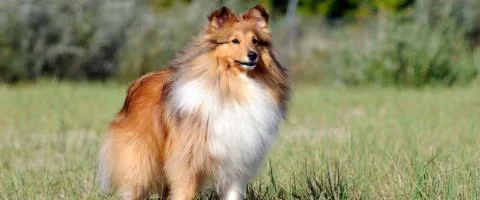
- Devoted and Loving: Shelties are renowned for their loyalty and affection. They form deep bonds with their human families, making them excellent companions. Their gentle and sensitive nature makes them well-suited for households with children and other pets.
- A Watchful Protector: A vigilant watchdog. Alert to their surroundings, they’ll let you know with a ready bark if anything is amiss, making them a reliable guardian for your home.
- Intelligent and Trainable: Above-average intelligence and keen understanding of humans make training a relatively easy process, especially when positive reinforcement techniques are used. Whether it's basic commands or more complex tricks, your Sheltie is a quick learner.
- Agile and Sturdy: Shelties are agile, sturdy, and muscular, which makes them excellent for activities that require quick movement and dexterity, such as agility courses or herding trials.
Challenges to Consider
A Rich Heritage
Grooming and Health
Genetic Predispositions for Shetland Sheepdogs
Heartfelt Concerns: Patent Ductus Arteriosus in Shelties
There is a heart issue you should be aware of– the condition is called Patent Ductus Arteriosus (PDA). This is where a small vessel that should naturally close up after birth stays open, causing extra blood flow to the lungs. This can lead to fluid buildup and strain on the heart. Your Sheltie might seem just fine or could show signs like coughing, fatigue during exercise, and even hind limb weakness. During regular vet check-ups, we listen for a specific heart murmur to catch this early. If diagnosed, surgery is usually the best course to mend that little heart.
When Blood Doesn't Clot: Bleeding Disorders in Shelties
These dogs are prone to several kinds, including Hemolytic Anemia and thrombocytopenia. Symptoms can range from mild to severe and often don’t show up until an injury or surgery triggers excessive bleeding. In some cases, your dog’s immune system may actually attack its own red blood cells or platelets. When this happens, you’ll see signs like paleness and lethargy. If your Sheltie has these issues, diagnostic tests for blood clotting are essential before any surgical procedures. Treatment usually involves steroids and sometimes even an emergency transfusion.
The Often Overlooked: Von Willebrand's Disease in Shelties
Another blood-related issue to watch out for is Von Willebrand’s Disease. It’s a clotting disorder that we specifically test for in Shetland Sheepdogs before any surgery. A DNA blood test can help catch this disorder early and prevent potentially life-threatening surgical complications.
The Window to the Soul: Eye Problems in Shelties
If eyes are the windows to the soul, then it’s crucial to keep those windows clear. Shelties are at risk for a range of eye conditions that can be painful and sometimes even lead to blindness. Cataracts are fairly common in older Shelties and may cause the eyes to appear cloudy. If you notice this, consult your vet about possible treatments, which could even include cataract surgery.
Hairy Issues: Distichiasis and Your Sheltie
Distichiasis may sound exotic, but it’s a rather prickly issue for your Sheltie’s eyes. It involves extra hairs that grow inside the eyelid and cause discomfort or even corneal ulcers. Treatment options to remove these pesky hairs are available and usually bring relief and good prognosis.
Don't Turn a Blind Eye: Collie Eye Anomaly
Collie Eye Anomaly is another eye condition that Shelties can inherit. It’s a genetic disease that, in its severe form, can lead to blindness. Sadly, there’s no treatment, but a comprehensive eye exam before breeding can help prevent passing it on to the next generation.
than Skin-Deep: Lupus in Shetland Sheepdogs
Lupus might be rare, but Shelties face a higher risk. This autoimmune disease causes the dog’s immune system to essentially wage war against itself, leading to chronic skin, joint, and internal organ inflammation. Signs often begin to show in middle-aged Shelties, around 3 to 7 years old. While there’s no cure, medication can manage symptoms. Be cautious with sun exposure, as it can trigger flare-ups—doggy sunscreen can be a lifesaver for your Sheltie’s sensitive areas.
Seizures in Shelties: The Types and Treatments
Keep Moving: Bone and Joint Problems in Shelties
Ever notice your Sheltie limping or having a hard time getting up? It could be a sign of musculoskeletal issues like dysplasia in the hips and elbows. This inherited disease can result in arthritis and discomfort, especially as your Sheltie matures. X-rays can help us diagnose the issue, and in severe cases, surgery might be recommended. And hey, keep an eye on your Sheltie’s weight—extra pounds can accelerate arthritis. Then there’s patellar luxation, where the kneecap slips out of place. You might see your dog suddenly hop for a few strides. Mild cases may only need arthritis medication, but severe cases often require surgery.
Scratching the Surface: Allergies and Shelties
While humans sneeze when they have allergies, your Sheltie is more likely to have itchy skin. It’s called “atopy,” and it’s pretty common in this breed. This itchiness often occurs in the feet, belly, skin folds, and ears, and you might see symptoms like paw licking, face rubbing, or frequent ear infections. Good news, though! There are plenty of treatment options to help your Sheltie find relief.
The Skin-Deep Issue: Dermatomyositis in Young Shelties
Do you have a young Sheltie? Then you need to know about Dermatomyositis, an inflammatory skin and muscle condition. It seems to stem from a genetic glitch in the immune system. If you see signs, medications can help manage symptoms. But do note that affected Shelties should not be bred.
Cancer in Shelties: Early Detection is Key
We all dread the “C” word—cancer. Sadly, Shelties are not immune, especially as they reach their golden years. The good news? Many forms of cancer can be treated if detected early. So, make sure you keep up with your physical exams, and we’ll do our best to keep your Sheltie happy and healthy for as long as possible.
Balancing Act: Thyroid Problems in Shelties