
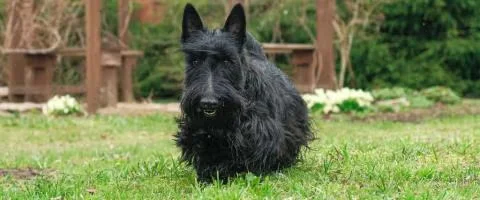
If you’ve opened your home to a Scottish Terrier, commonly referred to as a Scottie, then you already know you’re in for a vibrant life with a dog full of personality. From their robust build to their undeniable intelligence, Scotties make wonderful companions for the right owners. Here’s everything you need to know about your unique furry friend.
Why We Love Scotties:
- A Confident Canine: Scotties are known for their self-reliance and confidence, making them highly intelligent and eager to explore the world around them. They're energetic and playful, always ready for an exciting game of fetch or a stimulating puzzle toy.
- A Watchdog at Heart: With their loud bark and alert nature, Scottish Terriers excel as watchdogs. They're ever vigilant, keen to protect their home and their loved ones from anything they deem suspicious.
- Devotedly Yours: Scotties are incredibly loyal, forming a strong bond with their human companions. This loyalty often translates into an enduring affection for their owners, making them excellent pets for those looking for a devoted friend.
- Agile and Athletic: Despite their small size, Scottish Terriers are muscular and agile, always ready for an adventure or a spirited game. This agility makes them perfect for those who appreciate a more active canine companion.
Navigating the Challenges
A Historic Lineage
Health and Longevity
Genetic Predispositions for Scottish Terriers
Cushing’s Disease: What You Need to Know for Your Diehard Doggo
If your fur baby seems to be more sluggish, drinks water like it’s going out of style, and has a sudden appetite that could rival a teenage boy, don’t dismiss these signs! They could point to a common issue in dogs, especially among Diehards—cushings disease. This condition affects the adrenal glands, making them produce an excess of steroid hormone. It’s a slow creeper, so it’s easy to miss the early symptoms. As it progresses, you may notice your pup developing a potbelly and thinning skin. Treatment usually consists of oral medications, so you’ll want to be in close coordination with your vet for the perfect dosage. Early detection and treatment can go a long way!
Eye Care: A Sight for Scottish Terriers
Von Willebrand's Disease: The Bleeding Disorder Scottish Terriers Face
Blood clotting disorders are particularly challenging because they often go unnoticed until a crisis occurs—like surgery or severe injury. Scottish Terriers are more likely than most dogs to inherit Von Willebrand’s Disease, which affects blood clotting. To be on the safe side, vets usually conduct specific DNA blood tests before any surgical procedures. So, you can breathe a little easier knowing these precautions are in place for your loyal companion.
Itchy and Scratchy: The Allergic Side of Scotties
Ah, allergies. For humans, they usually mean sneezing fits and watery eyes. But for Scotties, they manifest as itchiness, especially around the feet, belly, skin folds, and ears. This pesky condition—known as atopy—often becomes noticeable between the ages of one and three and may escalate with age. The symptoms include paw licking, face rubbing, and frequent ear infections. But fret not; there’s a doggy antihistamine out there for your pup with various treatment options available.
Cancer in Scottish Terriers: Early Detection is Key
No one likes to think about it, but cancer is a reality for many older dogs. Scottish Terriers, given their longer life span, are even more susceptible to different types of cancer. Lymphoma is one such cancer that affects white blood cells and is quite treatable with chemotherapy. Another, Mast cell tumors, often show up as skin lumps. These lumps can be tricky because they often look benign but can be quite nasty. Early detection, usually through blood tests or lump checks, is your best line of defense. If you notice anything suspicious, don’t hesitate to consult your vet for the next steps is necessary.
The Birthing Blues: Reproductive Challenges in Diehards
A Stone's Throw Away: Bladder and Kidney Issues in Scottish Terriers
The Hops and Skips: Bone and Joint Troubles in Scotties
When the Jaw Grows: Understanding Craniomandibular Osteopathy (CMO)
Is your young Scottie having a tough time eating or showing signs of discomfort when opening their mouth? It could be craniomandibular osteopathy, a peculiar condition where there is a temporary, abnormal overgrowth of bone in the jaw or head. It typically resolves by itself by the time they turn one, but pain medication, a soft diet, and sometimes a feeding tube may be necessary to help your little friend.
Dealing with Seizures: Epilepsy in Scottish Terriers
The Mysterious Scotty Cramp
A Spike in Liver Enzymes: What's Hyperphosphatemia?
Hyperphosphatemia is a condition where there’s an elevated level of the enzyme alkaline phosphatase (ALP) in the bloodstream. Interestingly, affected Scotties often show no visible signs of illness. However, liver cell abnormalities might be spotted under microscopic examination. While elevated ALP can be a marker for other, more serious conditions, if those are ruled out, no treatment is usually necessary.