
What Makes Them Irresistible
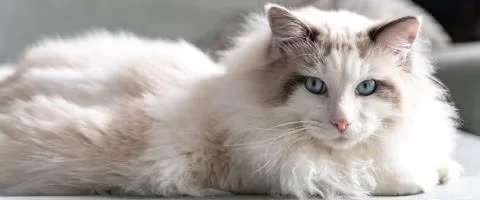
- Family-Friendly: You probably chose this furball because you knew she'd be amazing with kids and even other four-legged members of the family.
- The Zen Masters: Ragdolls are the epitome of chill. They're the type of cats that make every room they walk into instantly calmer.
- Love Magnets: You're not just an owner to them; you're their world. These cats are loving and devoted, often following you from room to room just to be near you.
Nobody's Purr-fect
But Is It All Worth It?
A Little History Lesson
The Colors of the Rainbow
Grounded in More Ways Than One
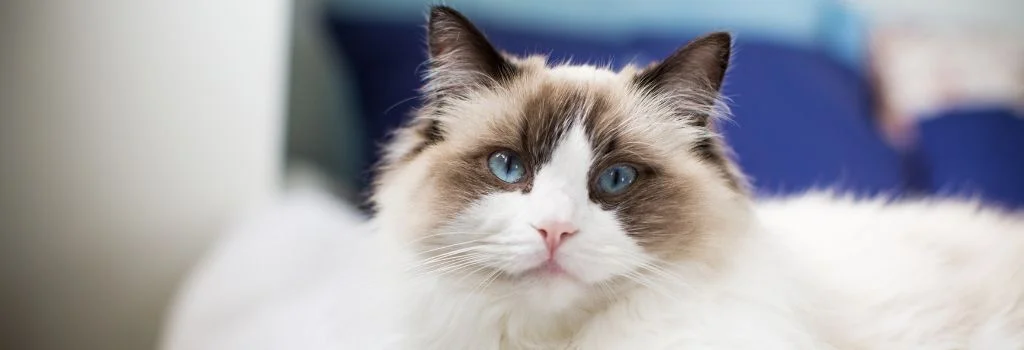
Interestingly, unlike many other feline breeds that enjoy high vantage points like shelves or trees, Ragdolls prefer keeping all four paws on the ground. They’re among the largest cat breeds but they’re not really into heights, which makes them quite unique in the feline world.
Genetic Predispositions for Ragdolls
Heart Disease: The Ins and Outs of Cardiomyopathy
Okay, let’s talk about cardiomyopathy, which is essentially heart muscle disease. There’s Hypertrophic Cardiomyopathy (HCM), where the heart muscle thickens due to an overactive thyroid, and dilated cardiomyopathy (DCM), often linked to dietary deficiencies. Good news: DCM is now rare because cat food brands have stepped up their game by adding taurine.
Arterial Thromboembolism: The Danger of FATE
Blood clots, also known as FATE (feline aortic thromboembolism), are a scary but possible outcome for cats with heart disease. Imagine this: a clot gets stuck just beyond the heart, leading to paralysis or extreme pain in the hind legs. This is no joke and requires immediate medical care. Fortunately, many cats who survive these episodes regain full limb function.
Blood Type: Be Prepared for Emergencies
Did you know that Ragdolls often have different blood types than other cats? Yep, and if disaster strikes, having a quick blood transfusion can be a lifesaver. Knowing your cat’s blood type in advance can save precious time, so consider getting that test done at a regular wellness exam.
Neonatal Isoerythrolysis: A Rare but Serious Condition
Polycystic Kidney Disease: A Sneaky Issue
Pyruvate Kinase Deficiency (PKD) is another genetic condition that Ragdolls can inherit. This disorder can take years to show symptoms, which may include weight loss and vomiting. Though there’s no cure, early diagnosis can help manage the condition for a longer, happier life.
Mast Cell Tumors: When to Worry About Skin Lumps
Any lump on your cat should trigger a vet visit. Mast cell tumors, a type of skin cancer, can appear similar to harmless skin bumps. Timely removal and testing can be the difference between life and death, so don’t hesitate to consult your veterinarian.
FLUTD: Beyond the Litter Box Troubles
When your cat starts avoiding the litter box, it’s not necessarily a sign of bad behavior. Instead, it could be a symptom of Feline Lower Urinary Tract Diseases (FLUTD). Keep an eye out for any unusual urination habits and seek urgent veterinary care if symptoms arise. Regular urinalysis tests can also be a great proactive step!
FIP Susceptibility: A Fatal Risk
Cryptococcosis: A Fungus Among Us
Cryptococcosis is caused by a yeast-like fungus and can be more common in Ragdolls and other susceptible breeds. Watch for symptoms like weight loss, lethargy, and sneezing with nasal discharge. If spotted early, most cases can be treated successfully.