
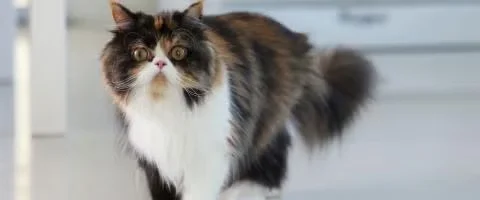
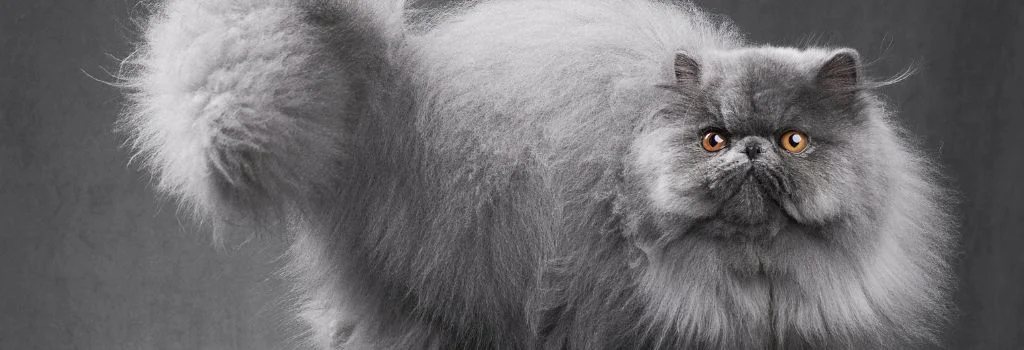
Ready to dive into the world of one of the most iconic feline breeds out there? Yep, we’re talking about the captivating Persian cat! If you’re the proud parent of a Persian kitty, you already know just how special these furballs are. From their sweet demeanor to their luxurious long fur, there’s a lot to love—and let’s not forget how in-tune they are with our moods. Is it any wonder we’re smitten?
Personality Plus: Why We Love Persians
The Purr-fect Isn't Always Perfect: Know the Quirks
A Persian is a bit of a diva when it comes to grooming. That beautiful, flowing coat won’t manage itself, so brace yourself for regular brushing sessions to keep it tangle-free. And while Persians love company, they’re not exactly thrilled with the idea of being alone. Solitude is not their cup of tea, so consider their need for social interaction. Then there’s the matter of health; they do have a propensity for certain medical issues, but more on that later.
The Historical Catwalk: Persian Roots
Love Knows No Flaws: The Heart of the Matter
Genetic Predispositions for Persians
Heart Health Matters: Understanding Cardiomyopathy
Cardiomyopathy, or heart muscle disease, can either be a primary condition or a result of other illnesses. One prevalent form is Hypertrophic Cardiomyopathy (HCM), often triggered by an overactive thyroid gland. Another is dilated cardiomyopathy (DCM), usually caused by a taurine deficiency—though, thanks to improvements in cat food, this is much rarer nowadays.
Cat parents, keep your eyes peeled for early warning signs! Rapid breathing, a sudden disinterest in food, or lethargy can be red flags. The challenge? Cats are masters of disguise when it comes to illness. By the time you notice these symptoms, your fur baby might already be in dire straits. A wellness checkup twice a year can catch issues like heart murmurs early on and may include advanced imaging tests for a more accurate diagnosis.
Arterial Thromboembolism: When Blood Clots Strike
A cat with heart disease is at risk for FATE (feline aortic thromboembolisms), a life-threatening situation where blood clots block normal blood flow to the hind legs. The symptoms are scary and sudden, like leg paralysis or pain. Immediate medical attention is a must! The silver lining? Many cats regain full limb function with proper treatment. If your kitty has heart disease, your vet may recommend medications to reduce the risk of clotting.
FLUTD: The Litter Box SOS
Have you noticed your cat urinating outside the litter box? Before you get mad, consider this: your furball might be sending out an SOS. Feline Lower Urinary Tract Diseases (FLUTD) encompass various urinary issues with similar symptoms, like painful urination or blood in the urine. If you spot these signs, it’s time for an emergency vet appointment. It’s crucial to diagnose and treat FLUTD promptly, as complications like a blocked urethra can be fatal.
Regular exams that include urine testing can help detect early symptoms. Treatments often include medication and specialized diets, and in extreme cases, surgery might be necessary.
The Brachycephalic Syndrome: When Cute Faces Spell Trouble
The Mysteries and Marvels of Polycystic Kidney Disease in Cats
Ever heard of Pyruvate Kinase Deficiency (PKD)? It’s a puzzling genetic condition primarily recognized in Persian cats. Picture tiny cysts, as small as a pinhead, dotting a kitten’s kidneys—and sometimes their liver. These cysts grow over time, wreaking havoc on the affected organs. Usually around the age of seven, symptoms like weight loss, vomiting, and excessive thirst may start to show. The bad news? There’s no cure. But there’s hope! Early detection can significantly slow down the disease’s progression. Yearly urine or blood tests can help catch the signs early, and an ultrasound or genetic test can further assess the damage. Breeders advise not using cats with PKD genes for breeding, so always remember to consult your breeder or vet.
The ABCs of Feline Blood Types
No one wants to imagine their fluffy companion in a life-threatening situation. But in emergencies, knowing your cat’s blood type can be a lifesaver—literally! Cats have blood types just like we do, mainly A, B, and very rarely AB. Purebred cats like Persians often have blood types other than A. Speed is of the essence when transfusions are required, so knowing your cat’s type in advance can make a huge difference. It’s especially important for purebreds to get their blood typed, which can be done during routine wellness checks.
The Dreaded Neonatal Isoerythrolysis (NI)
Sounds like a mouthful, right? NI, Neonatal Isoerythrolysis, is a rare but deadly condition that affects newborn kittens, especially in breeds like Persians that often have type B blood. When a type A kitten nurses from a type B mom, the kitten absorbs antigens that attack its own red blood cells. Tragically, affected kittens usually don’t survive past a few days. If you’re planning on breeding your cat, consult your vet for advice on how to navigate this issue.
Lysosomal Storage Disease: A Silent Killer
Imagine a waste processing plant suddenly shutting down. That’s what happens in Lysosomal Storage Disease (LSD). Affected kittens lack vital enzymes needed to break down waste, leading to toxin accumulation. Symptoms range from poor vision to seizures, and sadly, the disease is always fatal. Close relatives should not be bred to prevent passing on the gene.
The Perils of Portosystemic Shunt
Mast Cell Tumors: When Skin Bumps Are Not Just Bumps
Nasopharyngeal Polyps: The Annoying Growths
Got a Persian cat that seems annoyed for no reason? It might be dealing with nasopharyngeal polyps—abnormal growths due to chronic inflammation. Surgery is the recommended treatment for relief.
Hip Dysplasia: It's Not Just a Dog Thing
Although more common in dogs, hip dysplasia can also affect Persians. X-rays are essential for early detection. Ask your breeder if the parent cats have been screened for hip dysplasia.
Gingivitis: More Than Just Bad Breath
Separation Anxiety: When Love Turns into Stress
Some Persian cats can become overly attached to their humans, leading to anxiety and destructive behavior when alone. Enrich your cat’s environment to keep them entertained during your absence.
Demodicosis: The Invisible Mite Menace
Demodicosis is caused by microscopic mites that can cause itching and red lesions. Your vet can confirm the diagnosis and suggest treatment options like topical medications.