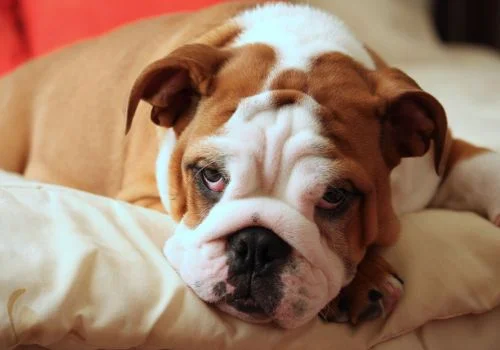

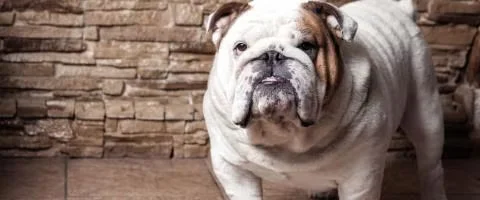
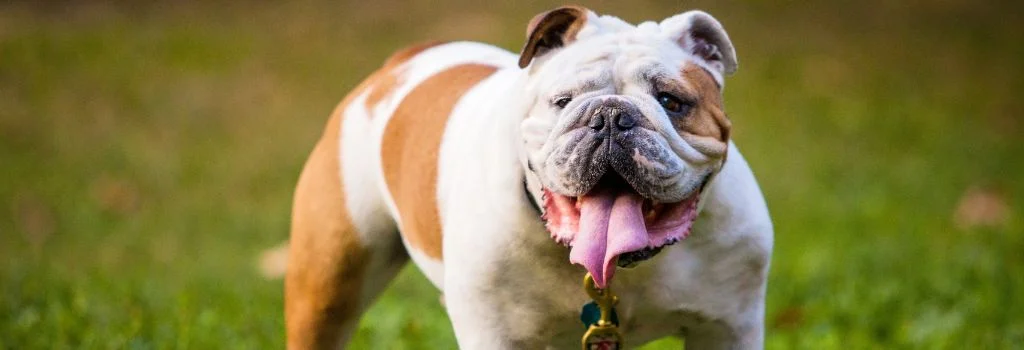
Ever wondered what it’s like to have a couch potato who can also serve as a formidable guard dog? If so, meet the English Bulldog—a breed that perfectly balances love and loyalty. Here’s everything you need to know about this adorably rugged canine!
Here’s Why You'll Fall in Love:
- Affection Overload: English Bulldogs are easygoing, lovable, and dote on their families.
- Quiet Companion: Not a fan of constant barking? The Bulldog is usually a silent partner.
- Kid-Friendly: They're excellent around children and get along well with other pets.
- Guard Dog Extraordinaire: Fearless and dependable, your Bulldog will always have your back.
- Adaptability: Whether you live in an apartment or a sprawling estate, Bulldogs adapt well to various living conditions.
- Social Butterfly: These dogs are outgoing and friendly, making them great for social gatherings.
A Few Things to Consider:
- Gassy and Drooly: Yep, they can be a bit, let's say, "fragrant," and they do tend to drool.
- Noisy Sleeper: Expect some snorting, snuffling, and potentially even snoring.
- Weight Watch: Bulldogs can gain weight quickly if they're not regularly exercised.
- Puppy Antics: Particularly when young, they can be rambunctious and rowdy.
- Slow to Mature: They may take their time in growing up, both emotionally and physically.
- Possessive Tendencies: They may guard their toys and food unless trained otherwise.
A History Lesson
The modern English Bulldog has roots in 19th-century England, where it was bred for a gentler disposition after the ban of bull-baiting. The Old English Bulldog was crossed with the Pug to create a family-friendly version while retaining its courageous nature. These dogs have become symbols of resilience and strength, serving as mascots for the U.S. Marine Corps and various universities.
Healthwise:
The Bottom Line
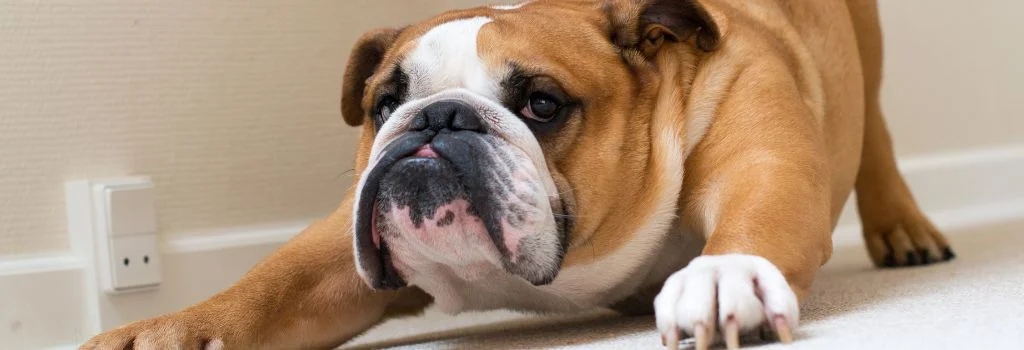
Genetic Predispositions for Bulldogs
The Bones, Joints, and Muscles: Keeping Your Bulldog Agile
Bulldogs and Backs: Spinal Concerns
Did you know Bulldogs are more likely to have spinal deformities like hemivertebrae? Early X-rays can help us catch any problems that may worsen with age or activity. If your Bulldog starts showing signs of back issues, your doctor will make sure to rule out other problems like slipped discs or arthritis and tailor a treatment plan that could include medication, acupuncture, or rehab.
Breath Easy: Respiratory Distress Syndrome
Weighty Issues: Bladder or Kidney Stones
If your Bulldog has been having issues urinating, pay attention! Bulldogs are more prone to developing painful kidney and bladder stones. Blood in the urine or straining to urinate is a red flag and requires immediate medical attention.
Heart Matters: Cardiovascular Health
Heart disease can be a concern for Bulldogs, especially as they age. Regular check-ups will include listening for any heart murmurs or abnormal rhythms. Early detection often allows for medication that can prolong your fur baby’s life.
A Skin-Deep Issue: Dermatitis and More
Eye Trouble in Your Bulldog: What You Need to Know
- Distichiasis: Imagine having a stray hair poking your eye. Sounds pretty uncomfortable, right? That's what Distichiasis is for Bulldogs—extra hairs grow inside their eyelids and irritate the surface of the eye. If untreated, these pesky hairs can lead to severe eye pain and even corneal ulcers. But worry not; treatments are available and are often very effective once those extra hairs are removed for good.
- Entropion: This one is a doozy! Entropion causes the eyelid to roll inward, making the eyelashes scratch the eye's surface. Ouch! Bulldogs are particularly prone to this irritating and painful condition that could lead to blindness. Surgical intervention is typically effective, especially when performed early.
- Dry Eye (Keratoconjunctivitis Sicca): Bulldogs are also prone to dry eyes or KCS. When this happens, the tear glands don't make enough tears, causing itchy, sore eyes and infections. If you spot symptoms like a thick discharge or your dog pawing at his eyes, it's time to consult your vet for a tear test and treatment, which usually involves lifelong application of a prescribed ointment.
- Cherry Eye: Lastly, let's not forget the "third eyelid" that dogs have. In Bulldogs, this can sometimes become sore or swollen, looking like a red blob in the eye corner. This is known as cherry eye. Treatments range from ointments to surgery, especially if your furry friend is a puppy or in their younger years.
The Silent Scare of Laryngeal Paralysis
Cancer: Early Detection Is Key