
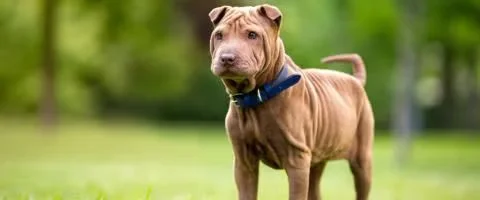
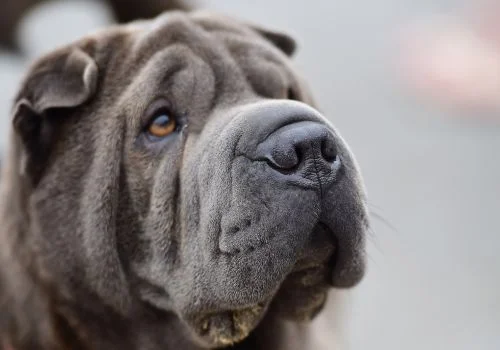
Known for their iconic deep wrinkles and watchful eyes, Chinese Shar-Peis are a fascinating mix of loyalty and independence. So, if you’ve ever been intrigued by this ancient, dignified breed, read on!
Qualities You'll Cherish:
- Quiet Companion: Shar-Peis are generally quiet dogs, so if you prefer a less vocal pet, this could be the breed for you.
- Self-Reliant: These dogs are confident and can entertain themselves, offering you the best of both companionship and independence.
- Family Guardian: Protective by nature, they make excellent watchdogs, always alert and ready to defend their family.
- Loyal and Devoted: They may be reserved, but they are extremely loyal to those they trust.
- Highly Trainable: Their intelligence makes them relatively easy to train, as long as you provide strong leadership.
The Wrinkles of Responsibility: Challenges You Might Encounter
- Strong-Willed: They have an independent streak and will need a firm leader to guide them.
- Noisy Breathing: Expect to hear various snorts, wheezes, and even some snoring.
- Territorial Nature: They can be territorial around other animals, so early socialization is necessary.
- Overprotective: Without proper socialization, they can become overprotective and standoffish, especially around strangers.
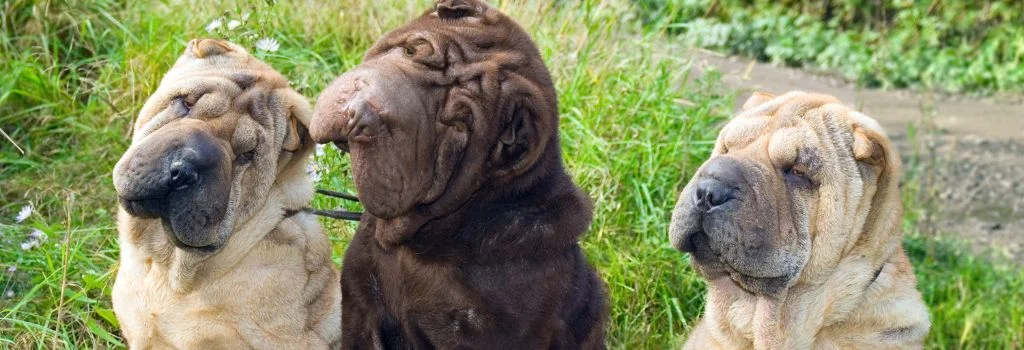
Ancient Roots: A Breed Steeped in History
Grooming and Health
Conclusion
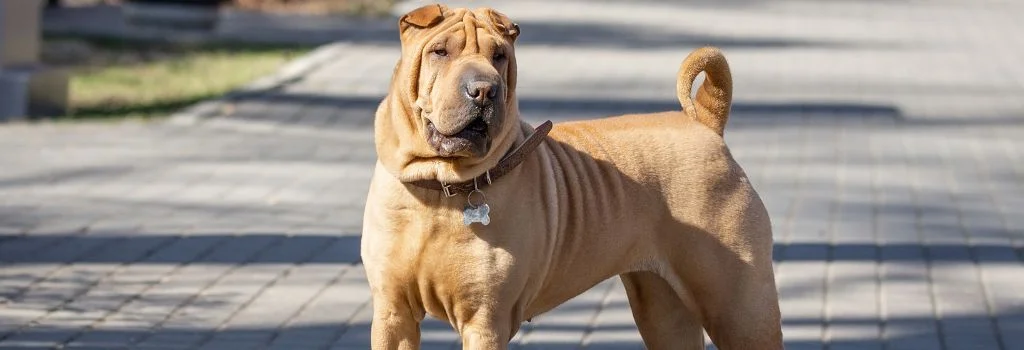
Genetic Predispositions for Chinese Shar-Peis
Bloat: The Swift and Silent Threat to Your Shar-Pei
Allergies: Why Your Shar-Pei Might Be Itchy All Over
Eyeing The Issue: Common Eye Problems in Shar-Peis
Your Shar-Pei’s eyes aren’t just soulful; they’re also vulnerable to several conditions that can severely affect their quality of life. Glaucoma is a particularly painful one that can lead to blindness. Its symptoms—like squinting and watery eyes—are medical emergencies, so if you spot these, rush to the vet. Then there’s ‘ cherry eye‘, a condition common in younger Shar-Peis that might require surgery, and ‘Entropion’, where the eyelid rolls inward. All of these are good reasons to make regular eye exams part of your pet care routine.
Kneesy Does It: Patellar Luxation in Shar-Peis
Joints and Pains: Hip and Elbow Dysplasia
Amyloidosis: More Than Just a Protein Problem
Mast Cell Tumor: The Tricky Skin Cancer
Megaesophagus: When Eating Becomes a Struggle
Inflammatory Bowel Disease: More Than Just a Tummy Ache
Inflammatory Bowel Disease ( IBD) is more than just an occasional bellyache; it’s a chronic condition that Shar-Peis are unfortunately prone to. Imagine the lining of your pup’s intestines being constantly stormed by immune cells, leading to chronic vomiting and diarrhea. The issue isn’t just discomfort; it messes with nutrient absorption, affecting your pet’s overall health. Stress, diet changes, or even parasites can exacerbate the condition. If tummy troubles become a regular affair for your Shar-Pei, consult your vet for diagnostic tests, which could include an intestinal biopsy. Most of the time, this condition will require special diets and lifelong medication.
Mange: When Mites Outstay Their Welcome
All dogs have microscopic mites called Demodex living in their hair follicles. Usually, it’s no big deal—but in Shar-Peis, these mites can multiply like they’re having a party! This can result in dry, hairless patches that might appear on the face or feet. Sometimes these patches can get itchy and even lead to secondary skin infections. Quick veterinary action is essential to manage this problem. Some dogs grow out of it, while others need ongoing care.
The Breathing Battle: Respiratory Distress Syndrome
Skin Disease: Flaky vs Oily, But Always Itchy
Seborrhea can either make your Shar-Pei’s skin dry and flaky or greasy and oily. Either way, it’s uncomfortable and itchy for your pup. Conditions like hypothyroidism or even allergies can trigger seborrhea. Consult your vet for targeted treatment to get that coat back to its shiny, healthy self.
Bone Pain: Growing Pains Aren't Always Cute
Growing up is hard, especially when your Shar-Pei experiences eosinophilic panosteitis or “pano.” This condition inflames the long bones in the legs, causing painful symptoms that can jump from one leg to another. While usually not causing permanent damage, it does require pain management and possibly rehabilitation exercises.
Skin Infections: Folded But Not Flawless
One of the charming features of a Shar-Pei is their wrinkled skin. However, these folds can trap moisture and create a breeding ground for bacteria and yeast, leading to a condition known as lip-fold pyoderma. It causes red, smelly patches that are far from comfortable for your fur baby. Regular cleaning and, in severe cases, antibiotics or even surgical intervention may be necessary.