


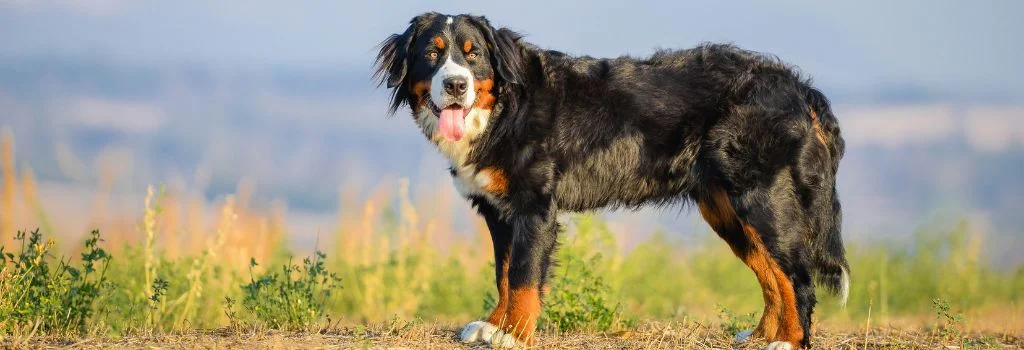
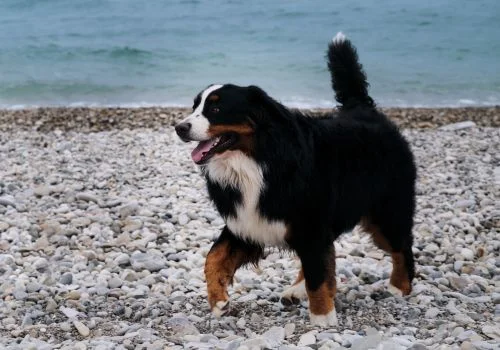
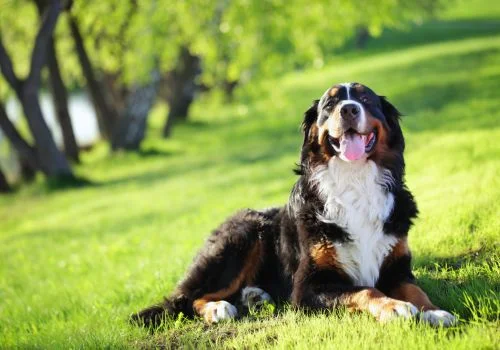
If you’re lucky enough to share your life with a Bernese Mountain Dog (affectionately known as a “Berner”), you already know you’ve got something special on your hands—or paws! For those of you contemplating bringing this gentle giant into your family, let’s delve into what makes Berners not just awesome, but truly spectacular companions.
The Irresistible Berner: Traits to Fall For
- Family-Focused: The Berner adores family life and fits right in, whether you have kids, cats, or other canine siblings.
- Child's Best Friend: Particularly wonderful with children, they are as patient as they are large.
- Affection Overload: If you love cuddles, you’re in luck! Berners are lovebugs.
- Devoted Companions: Their loyalty knows no bounds; a Berner will be by your side through thick and thin.
- Guardian Angel: Though not aggressive, their loud bark makes them an effective watchdog.
- Smarty Paws: These dogs are whip-smart and remarkably trainable.
The Less-Than-Fluffy Side:
- Hairy Situations: Expect to find Berner hair. Everywhere. Regular brushing is non-negotiable.
- Health Matters: They can be prone to certain health issues, so regular vet visits are a must.
- Busy Paws: Without enough exercise, they might turn your yard into an excavation site or your shoes into chew toys.
- Late Bloomers: Berners mature slowly and can be a bit sensitive during their extended puppyhood.
- Stranger Danger: They can be reserved around unfamiliar faces.
- Summer Struggles: These dogs were built for cooler climes and don't fare well in the heat.

A Storied Past: The Bernese Heritage
Lifespan & Health Tips
The wondrous world of Bernese Mountain Dogs
Genetic Predispositions for Bernese Mountain Dogs
The Scary Reality of Bloat
Hip and Elbow Dysplasia: The Joint Dilemma
OCD: Not What You Think!
The Foggy World of Cataracts
Be Careful with Cuts: Bleeding Disorders Alert!
The Silent Struggle with Arthritis
It’s not just humans who struggle with arthritis; your aging Bernese might be suffering in silence. But it doesn’t have to be that way. Treatment started early can make a world of difference, so don’t ignore signs like stiffness or difficulty moving. And remember, weight management and proper exercise can be a lifesaver.
The Knee Nightmare: Cranial Cruciate Ligament Tear
Itchy and Scratchy: Dealing with Allergies
The Mystifying World of Canine Epilepsy
Addison's Disease (Hypoadrenocorticism)
Hey there, Bernese parents! Let’s chat about a condition called Addison’s Disease, or hypoadrenocorticism. This hormonal disorder occurs when your fur baby’s adrenal glands aren’t producing enough hormones to keep things running smoothly. The symptoms can be pretty sneaky because they mimic other health issues. But the good news is that a specialized timed blood test can help diagnose this condition. Bernese Mountain Dogs are somewhat more likely to develop Addison’s, so during each vet visit, we’ll be watching for any warning signs and may even recommend regular electrolyte level tests. If left untreated, it’s a serious issue, so catching it early is vital!
Lymphoma
Now, onto a subject no one likes talking about: cancer. Specifically, lymphoma, which affects Bernese Mountain Dogs more often than other breeds. This cancer impacts white blood cells, meaning it can appear almost anywhere in the body. While that sounds scary, here’s the silver lining: lymphoma is one of the most treatable forms of cancer in dogs, with a good success rate when chemotherapy is administered. It can be an emotional and financial commitment, but early detection via blood tests can make a world of difference. So keep an eye out for any unusual symptoms like swollen glands or labored breathing.
Hemangiosarcoma (Bleeding Tumor)
Hemangiosarcoma, a type of bleeding tumor that is unfortunately more common in Bernese Mountain Dogs. These nasty tumors often develop in the spleen and can become extremely large before any symptoms show. They can even rupture, leading to internal bleeding. Regular wellness tests for seniors can help spot early signs, so make sure to keep up with those yearly check-ups and ultrasounds!
Degenerative Myelopathy
Similar to ALS in humans, Degenerative Myelopathy is a neurological condition affecting Berneses more often than other breeds. It weakens the hind legs, eventually causing paralysis and incontinence. While there is no cure, treatments like rehab, exercise, acupuncture, and dietary supplements can offer some relief. Genetic testing is also available to identify the risk early on.
Eyelid Abnormality (Entropion)
Kidney Disease (Glomerulonephropathy)
Bone Pain (Eosinophilic Panosteitis)
Pyometra
For the ladies in the Berner world, Pyometra is a severe bacterial infection of the uterus that can develop after each heat cycle. It’s an emergency situation that may require surgery. If you’re not planning on breeding your Bernese, spaying is often the best route for prevention.
Hemolytic Anemia and Thrombocytopenia
Liver Problems (Portosystemic Shunt)
Last but not least, let’s talk liver! Berners are more likely to have a liver disorder called portosystemic shunt (PSS). Also called a liver shunt. It essentially short-circuits the blood flow around the liver, depriving it of what it needs to function correctly. Symptoms can include stunted growth and seizures. Regular liver function tests and possibly ultrasound scans can help diagnose this issue, which may require surgery or medication.