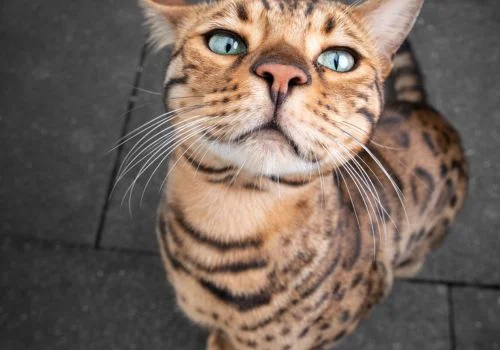

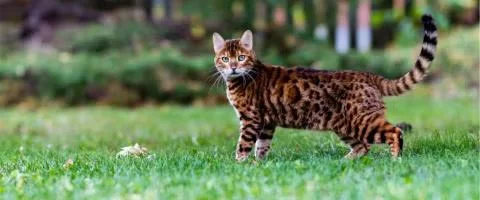
What Makes Bengals Unforgettable?
- Playfulness is Their Middle Name: Bengals don't just sit around; they want to engage with you. Expect lots of interactive play sessions and maybe even a game of fetch!
- Brainy Furballs: Ever tried teaching a cat tricks? Well, your Bengal is not only willing but highly capable. They're smart cookies, these ones.
- Curiosity Didn't Kill This Cat: A Bengal's alertness and curiosity are through the roof! Nothing happens in your home without them knowing about it.
- Sky's the Limit: High shelves, top of the fridge, you name it—Bengals love to be up high. It's like living with a very small, agile leopard.
- Social Butterflies: Bengals are not the aloof, staring-at-you-from-the-corner type of cats. They are outgoing and tend to be friendly, making them great companions.
- Cool Cats: Believe it or not, they usually get along well with other cat-friendly pets and children. They’re pretty laid-back when they want to be.
The Quirks You Should Know About:
- Chatterbox Alert: Your Bengal isn't shy about voicing her opinions—on everything. Yup, they are talks.
- Little Mischiefs: Left alone with no toys or attention? Your Bengal might redecorate your home in ways you didn't quite have in mind.
- Hunter Instinct: Watch out, squirrels (and occasionally, toes)! Bengals have a strong prey drive and love a good chase.
- Marking Territory: Breaking a Bengal's habit of territory marking can be a challenge, so patience is key.
- Pick Me Up? Maybe Not: Some Bengals are not fans of being picked up and carried around. They like their paws on the ground, thank you very much.
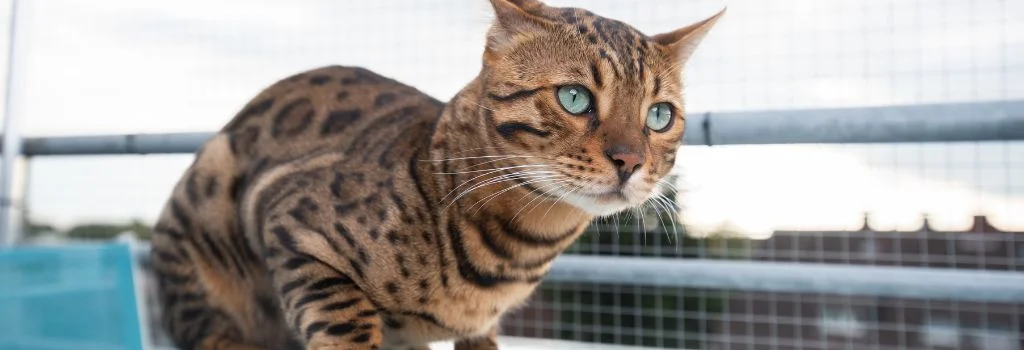
So, Is it All Worth It?
A Brief History: How Did the Bengal Come to Be?
Genetic Predispositions for Bengals
The Case of the Wandering Kneecap: Patellar Luxation
Hip Hip Hooray? Not Always: Hip Dysplasia
More commonly seen in dogs, hip dysplasia is also a Bengal problem. This genetic condition can cause malformed hip joints, leading to arthritis. While signs may be subtle at first, affected cats may begin to act like they’ve aged overnight, slowing down significantly. Diagnosing this early is crucial, so get that pelvic X-ray during your kitten’s spay or neuter appointment. Treatments can range from medication to surgical restructuring of the pelvis.
An Invisible Energy Crisis: Pyruvate Kinase Deficiency
Pyruvate Kinase Deficiency (PKD) is a silent crisis happening at the cellular level. This inherited disease diminishes an essential enzyme, leading to a form of anemia. While symptoms might not be obvious, a genetic test can identify if your Bengal is affected, a carrier, or non-carrier. Early detection is always better.
FIP: A Mysterious and Fatal Illness
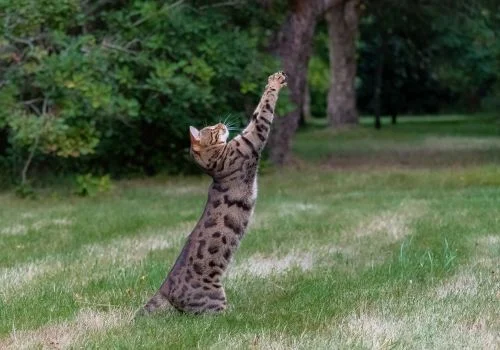
Knowing Your Cat’s Blood Type Can Save Lives
A Tragic Start: Neonatal Isoerythrolysis (NI)
NI is a heart-wrenching immune reaction that occurs when a newborn kitten with one blood type nurses from a mother with a different blood type. The kitten’s own antibodies turn against its red blood cells, usually resulting in death shortly after birth. If you’re thinking of breeding your Bengal, consult your vet about this risk.
Progressive Retinal Atrophy: Gradual Vision Loss