

Basset Hounds. If you’ve got one, you already know why these floppy-eared darlings are so irresistible. And if you’re considering adding one to your family, well, you’re in for a treat! The Basset Hound isn’t just a dog; they are your go-to confidante, the embodiment of loyalty, and the giver of unconditional puppy love.
Why We Can't Help but Fall in Love with Bassets
- Even-tempered and full of joy: These dogs are the epitome of a chill vibe.
- Sweet, Sensitive Souls: Expect loving stares and gentle nudges—Bassets are all heart.
- Family-Friendly: These dogs get along famously with kids and even other pets. Family movie night just got better!
- Perfect Companions: A Basset Hound loves nothing more than to be around their human pals.
- Low-Maintenance Coat: No need for intricate grooming sessions. A quick brush will do!
- Born to Hunt: Those snazzy scent skills aren't just for show; they're superb hunting dogs.
Here are some quirks you might notice:
- Watch Those Calories: Bassets are foodies at heart, so keep an eye on their weight with regular exercise and a balanced diet.
- Puppy School is Cool: Early socialization and obedience training will set you up for a lifetime of happiness.
- Vocal Virtuosos: Your Basset might fancy itself an opera singer. Translation: They can be a bit barky.
- Got a Shovel?: These dogs love to dig, so maybe save the garden for another part of the yard.
- The 3 S's - Shedding, Slobbering, and...Scenting: Yup, they shed. They drool. And they can clear a room with a well-timed toot.
- Temperament Toggles: If not bred properly, a Basset can sometimes get a little too hyper or even aggressive.
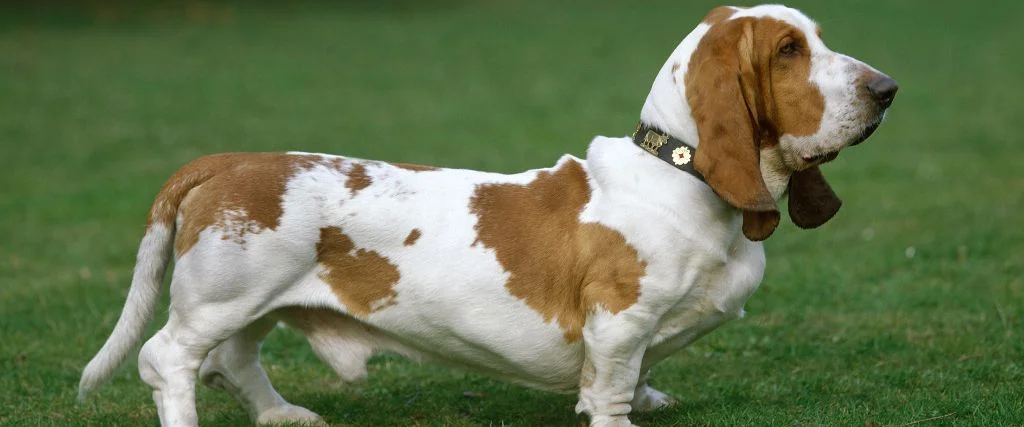
Why We Adore Them Anyway
A Pooch with a Past
A Long, Happy Life
Genetic Diseases
Joint Disease
Basset Hound puppies are adorable, but they have specific needs to ensure their joints develop properly. One issue to look out for is osteochondritis dissecans (OCD), a condition that can occur if a Basset puppy grows too rapidly. In this case, the cartilage in their joints may not bond well with the bones, leading to potential problems that might require surgery. So, how can you avoid this? Aim for a growth rate of no more than four pounds per week. To maintain this healthy pace, opt for a large-breed puppy diet and avoid overfeeding or supplementing with extra calcium. Regular weigh-ins every three to four weeks can also help you keep track of your puppy’s growth.
The Threat of Bloat
Those deep, narrow chests on Basset Hounds might look distinctive, but they make these dogs more susceptible to a condition called Gastric Dilatation and Volvulus (GDV), or bloat. This serious issue occurs when the stomach twists and fills with gas, affecting the blood supply to vital organs. If you see signs like retching without vomiting, restlessness, or a “prayer position,” it’s a vet emergency that could be fatal within 30 minutes. Preventative surgery is available, which can secure the stomach and reduce the risk of twisting.
Eye Health Matters
Eyes are not just the windows to the soul; they’re vital for your Basset’s well-being. Look out for signs of Glaucoma, such as squinting or redness, which require immediate attention. Cataracts can make eyes appear cloudy but are often manageable, and younger Bassets may suffer from cherry eye, recognizable by a red blob in the eye’s corner. Treatment options vary from ointments to surgery.
Neurological Concerns
Heart Health in Bassets
Addison's Disease
Watch for Bleeding Disorders
Back Problems and Bassets
Knee, Hip, and Elbow Issues
Bone Pain in Young Bassets
Spinal Deformities
Bleeding Tumors
Bladder or Kidney Stones
If you notice your Basset struggling to urinate or spotting blood, don’t wait—call your vet immediately, as it might indicate bladder stones or kidney stones.