

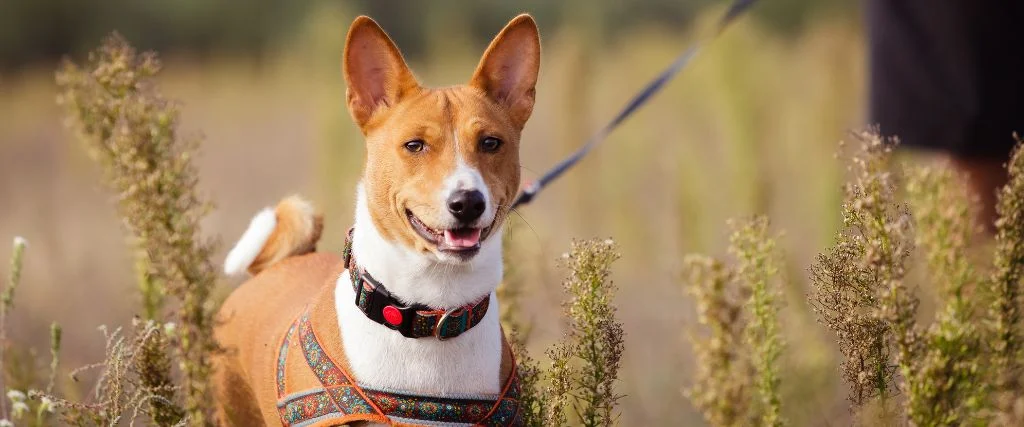
Ah, the Basenji! Known as the “African Barkless Dog,” these pups are not only unique but also incredibly endearing. Let’s dig into what makes these guys and gals special companions.
What You Probably Love About Your Basenji
- The Perfect Family Sidekick: Basenjis are love-bugs that fit right into your family circle.
- Smarty Paws: Highly intelligent, they love a good puzzle or game.
- Confident & Steady: You can count on your Basenji to stride through life without a sliver of fear.
- Curiosity Didn't Kill This Dog: They're naturally alert and intrigued by the world around them.
- A Personality to Remember: Quirky and entertaining, they’re the life of the party.
- Loyalty, Please: When a Basenji loves you, they really love you.
What You Probably Don’t Love About Your Basenji
- Activity Addicts: They need plenty of physical and mental stimulation, so get ready for playtime!
- The Chase is On: Their natural hunting instincts are strong—so watch out, squirrels!
- Independence Day: Training a Basenji might require a bit more patience. They like to think for themselves!
- A Bit Reserved: They can be wary around strangers.
- Trouble Maker: Left to their own devices, they might go hunting for some mischief.
So, Is It Worth It?
Did You Know?
A Healthy Basenji is a Happy Basenji

Genetic Predispositions for Basenjis
Bladder or Kidney Stones
Basenjis have a knack for developing bladder stones or kidney stones. Regular urine tests can catch these early. Notice any blood in the urine or straining while urinating? Get to the vet ASAP!
Kidney Disorder: Fanconi Syndrome
Fanconi syndrome affects the kidneys and leads to vital nutrients leaking into the urine. Symptoms include excessive thirst, weight loss, and weakness. It usually appears between ages 2-6 and can vary in severity. Early detection via routine urine screening is vital.
Hip and Elbow Dysplasia
Knee Troubles: Patellar Luxation
Skin Issues: Mange
Inflammatory Bowel Disease (IBD)
If your pup experiences frequent vomiting or diarrhea, it might be IBD—an immune disorder that affects nutrient absorption. It usually requires lifelong management with medication and special diets.
Epilepsy
Basenjis are at a higher risk for seizures, which can start between six months and three years of age. Lifelong medication is generally necessary, and be cautious to avoid accidental bites during episodes.

Hernia
Thyroid Problems
Exocrine Pancreatic Insufficiency
Eye Concerns
Blood Disorders