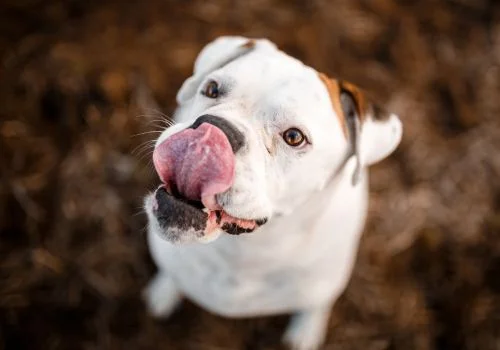

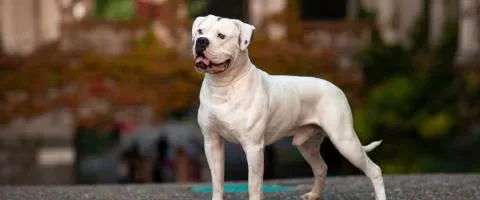
If you’re reading this, you probably have an American Bulldog who is, without a doubt, the apple of your eye. You knew what you were signing up for when you got this hunk of love—courage, dependability, and a heart of gold!
What Makes AmBulls Awe-Inspiring
- Your Personal Security Detail: AmBulls are top-notch when it comes to guarding your castle.
- Confidence is Their Middle Name: These dogs strut their stuff with a fearless and steady demeanor, making them the Clint Eastwoods of the canine world.
- Quick Learners: Have a trick in mind? AmBulls are pretty sharp and are usually eager to please, making them a cinch to train.
- Fitness Buffs: With energy levels that rival a toddler on a sugar high, these dogs love a good run, hike, or extended playtime.
- Family-Friendly: They’re excellent with kids, showing a gentler side that’ll melt your heart.
- Grooming? Easy-Peasy: A quick brush is generally all you need for that short, tidy coat.
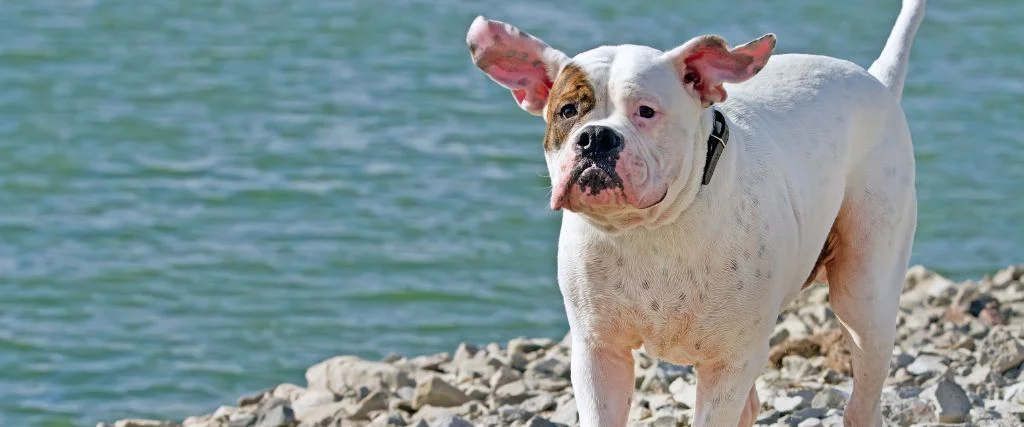
The Quirky Side of AmBulls
- Restless Rovers: The energy needs to go somewhere! Make sure to provide ample exercise to keep that tail wagging.
- Young and Restless: Puppyhood can be a whirlwind. Brace for a bit of boisterousness in those early days.
- "This is My Turf": They may not play nicely with other dogs, especially those of the same gender. A meet-and-greet beforehand can be a game-changer.
- Puppy School Dropout Risk: Failing to socialize your AmBull pup can lead to adult aggression. The best time to teach good habits is now!
- Don't Be a Pushover: These dogs can sense weak leadership and may try to rule the roost. Stick to your guns.
- A Little Slobbery, A Little Gassy: Keep a drool rag handy, and maybe open a window. Just a heads up!
Is the AmBull Life For You?
So, you might be thinking, “Is this all worth it?” A resounding yes is the answer! There’s never a dull moment with an AmBull, and their larger-than-life personality makes them unforgettable companions.
A Peek at AmBull History
Originally bred to be versatile farm helpers, their tasks ranged from catching hogs to herding cattle. Today’s AmBulls have transitioned into gentle, loving family companions that adore being the center of attention (but may still harbor those territorial traits).
Health and Longevity
Generally speaking, American Bulldogs are hearty creatures with a lifespan of 10-13 years. Just like any breed, keeping an eye on their health is crucial!
Genetic Predispositions for American Bulldogs
Hips and Elbows: Watch for the Wobble
Have you ever noticed your AmBull having a bit of trouble getting up or limping slightly? This could be a sign of hip or elbow dysplasia, a genetic condition that affects joint formation and can lead to arthritis. An x-ray can spot these issues early, and treatments for arthritis can make a world of difference in comfort levels. Just a little heads-up: carrying extra weight can make this condition worse, so let’s aim for a healthy, balanced diet!
Nerve Disease: The Troubling NCL
Neuronal Ceroid Lipofuscinosis (NCL for short) is a neurological disease that can appear in younger AmBulls, typically between 1-3 years of age. Early signs include rear leg weakness and balance issues, which can eventually progress to more serious symptoms, even vision loss. Sadly, there’s no cure, but a genetic test can let you know if your pup carries this mutation. Breeding dogs with this gene is a no-no.
Thyroid Troubles: Beyond Bad Hair Days
Ever notice your dog’s coat looking a bit dry or some sudden weight gain? This could be hypothyroidism—a condition where the thyroid gland doesn’t produce enough hormone. A simple blood test can diagnose it, and treatment is usually a daily hormone pill. Easy-peasy!
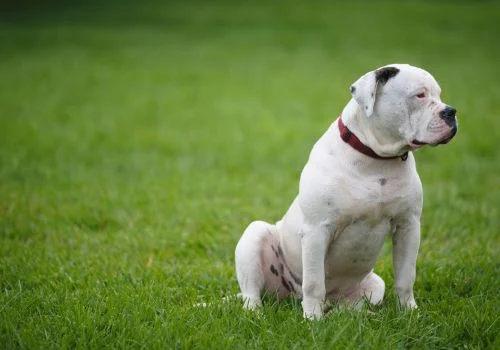
Itchy and Scratchy: The Story of Ichthyosis
Our AmBulls can suffer from ichthyosis, a skin condition that makes the skin scaly and super dry (think fish scales!). It usually appears early in life, and while there’s no cure, some treatments like special shampoos and fish oils can offer relief. A genetic test is available, and it’s particularly crucial info if you’re thinking about breeding.
Eyelid Woes: The Irritating Entropion
Imagine how it feels to have your eyelashes poking your eye—ouch! That’s what entropion does. The eyelid rolls in, causing the lashes to irritate the eye, and it can lead to blindness if untreated. The good news is that surgery can usually fix this if caught early!
Stones: Not the Rock Collection We Want
If your AmBull seems to be struggling to urinate or has blood in the urine, it’s time for an emergency vet visit. They could have bladder stones or kidney stones, and these are as painful for dogs as they are for humans! Routine urine tests can help catch this early.